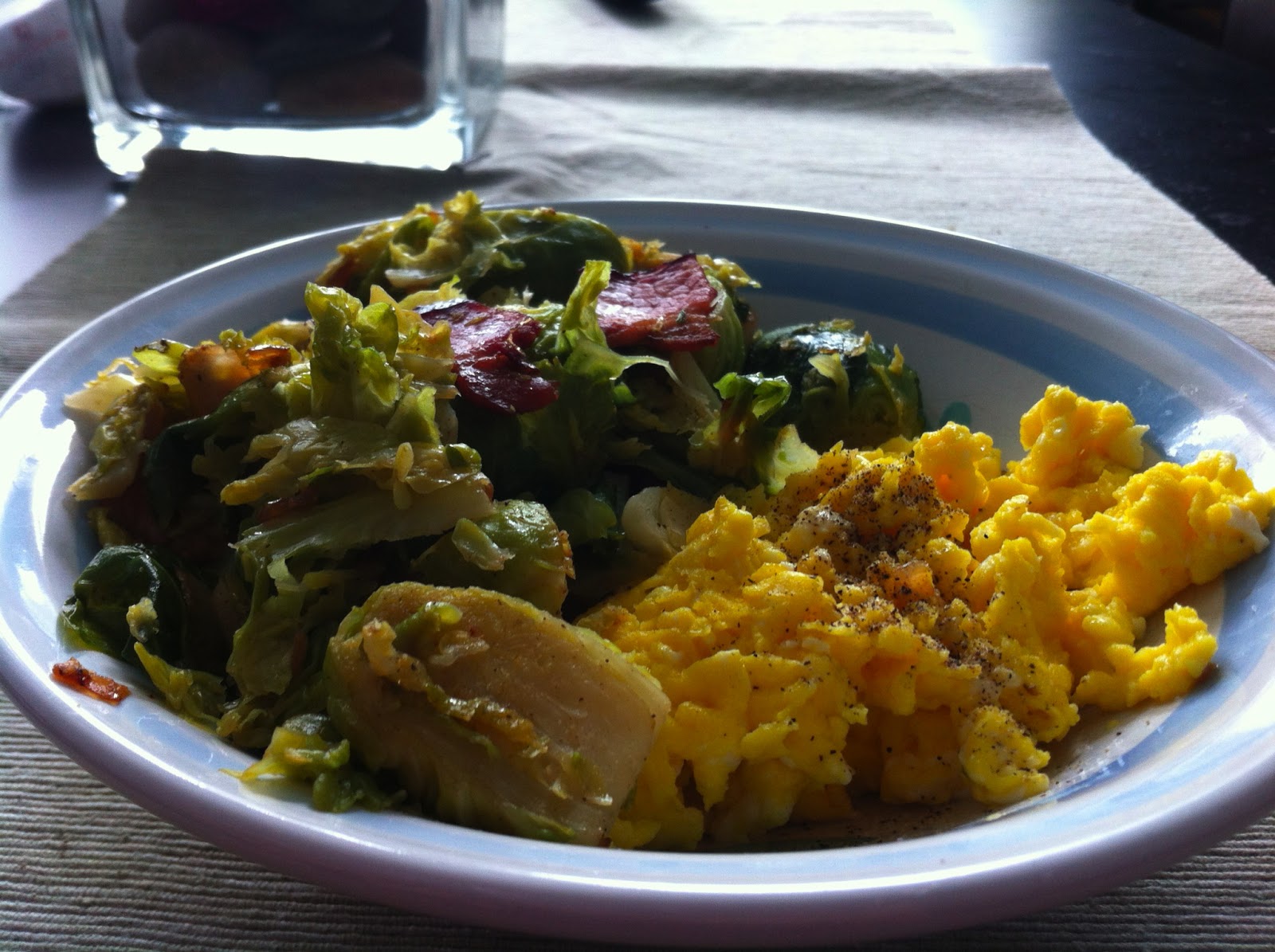
I've been gluten-free for about 8 years now. What that means in reality is that 99% of the time I eat only foods that are gluten-free, with about 1% of the time, having some sort of exposure to wheat-based grains. I don't mean that I have "cheat days" but I'll consume something at a restaurant that may not be completely wheat/gluten-free. Not breads, pastas, nor pastries... those have always been off-limits.
But that all changed when my husband and I decided to honeymoon in Italy. I knew that they used a different species of wheat in Europe, and had heard that those with gluten/wheat sensitivities often can tolerate bread and pasta way better there than in North America.
I was intrigued and excited to eat real bread and pasta for the first time in almost a decade. My goal was to eat and drink my way through Italy and see what happened. I was going to eat real baguette bread; I was going to enjoy a pastry at a cafe; Focaccia in a market. Hell, maybe even pizza!
So I did. I ate it all and for the most part I loved it all, but there were lessons that I learned with each meal:
First, not every restaurant or venue gets their flour from Italy. I made an incorrect assumption that our Mediterranean cruise would be serving local foods. I soon found out that even their beef came from Chicago (which induced a huge "WTF?!?" moment for me). Pasta, I learned, had to be labeled specifically as "durum wheat" pasta. But the breads and pizza still left me bloated, gassy... my insides were not happy even if my taste buds were.
Off the boat, food was much easier. I wasn't having reactions from independent/family run restaurants. Anything that was non-touristy seemed to be fantastic, and my gut agreed. I was able to eat focaccia in Venazza, pasta in Taormina and Genoa, and croissants in Florence with no issues. It was glorious. I was able to enjoy heavy starches that didn't feel so heavy.
I felt like I had an excuse to be indulgent; and perhaps I did. But that feeling wears out after a while. By the end of our 2-week vacation I was craving protein and vegetables. I was craving leafy salads and steamed broccoli drenched in olive oil. Not to mention that my waistline definitely widened being on a predominately carbohydrate-based diet.
They were gloriously happy-making meals for the time being, but it wasn't something that I would be able to continue. The body - my body - can only take so much. The challenge now is switching back. Getting my body back, reducing my carb and sugar cravings, and regulating my blood sugar.
The Aftermath of my Gluten Experiment
The last croissant I had was at the airport before we left Europe. It was everything I had hoped it would be, until I stopped to pay attention to my body. All of a sudden I felt anxious, my heart beating fast. What was going on? I realized it was my blood sugar. Having only had a croissant, my heart was racing and I felt like I needed a run. I knew this was a pattern I'd have to get out of. This spike in blood sugar was uncomfortable, but all too common.
Secondly, the residual carb cravings after having come back. I almost forgot how strong they could be! Telling me to go bake a batch of cookies, or eat more of that sunflower seed bread, or, how about a third serving of rice? It's so hard to battle that voice; even more so when you're feeling exhausted.
Thirdly, by the end of the two weeks, and more so in the two weeks upon our return, my skin broke out like crazy! Not just facial acne, but eczema!
What gets me through this part is knowing how good I can feel on a low-carb diet. My tastebuds and brain were spoiled in Italy. We deserve it! To enjoy the food of another country and culture is an experience not to be taken for granted, but for my own personal health, it's not a lifestyle I can thrive on long-term.
I'm so happy I took a chance (with the help of probiotics and digestive enzymes) eating Italian wheat products, but I'm even happier to be home so that I can stuff my face with veggies and proteins again.
All healthy foxes need an outlet for creativity and thought processes. Otherwise how would we stay bubbly? Enjoy my blog world; a space to share my life experiences with healthy and yummy foods, running, yoga, naturopathic practices and self-care
Showing posts with label food. Show all posts
Tuesday, August 7, 2018
My great Italian bread/pasta experiment
Labels:
blood sugar regulation,
cravings,
diet,
eczema,
food,
gluten free,
IBS
Friday, March 2, 2018
Changes in Digestion: Hope for those with IBS
I was trying out two new recipes last night: one was a Moroccan-style chicken stew (done in the slow cooker), and the other was this insanely good lentil recipe from "Oh She Glows, Everyday"
Three things crossed my mind during this process:
1) Is this stew going to be as good when I transform it into a "Low-FODMAP"-friendly recipe? With no onions or garlic??
2) Will these recipes taste as good if I omit the sugar (maple syrup, honey, etc) in both of them?
3) I can't believe I can eat lentils! This is amazing and weird at the same time; like when I brought back white potatoes into my diet a few months ago.
First off, onions and garlic bring loads of flavours and health benefits to our food, so not being able to enjoy them - and even more accurately, having them exacerbate my IBS symptoms - has been a real struggle; for both cooking at home (especially for a fiancé who LOVES both garlic and onions) and when we dine out.
Staying disciplined as much as possible is not only empowering, but you're preventing the pain that these food compounds cause. Pain is a signal telling us that something is wrong in the body. And it's a signal that we shouldn't ignore.
For those with food sensitivities or reactions, you absolutely can omit ingredients that aggravate you, and still have amazingly tasting food. Both dishes turned out incredibly well, considering what was missing. In this case, the added sweeteners were completely unnecessary.
Secondly, our bodies change as we age, and what worked for you in the past may not work in a few months or years. I spent about a year on a strict paleo diet and loved it! I had a hard time digesting potatoes and legumes (in addition to gluten and dairy), so paleo was the perfect solution for me. Even my "hangry" moments decreased in frequency.
Fast forward 6 years, after the inclusion of gluten-free grains back into my diet: My once great digestion had returned to being stormy. My body was giving me distinct signals that something was terribly wrong and that the foods I was eating were aggravating me. I had a gut feeling (pun intended) what was causing it... sugars, including certain fruits and honey, onions, garlic, cauliflower, and even too much sauerkraut which I thought was supposed to be a great fermented food for gut health. It bothered me that these things that I had eaten for so long were now a huge issue for me.
Following up with my IBS research and treatment protocols, I realized that all of the foods I was reacting to were high in FODMAPs (Fermentable Oligosaccharides, Disaccharides, Monosaccharides, And Polyols), and started my plan to follow a low-FODMAP diet. This wasn't an easy feat. This is a crazy strict diet but I was tired of suffering.
And the truth is that I feel so much better than I did just 4 months ago, but it's not easy for many of us to completely change our diets. We get caught in habits and knowing what we have to give up can really bring a person down. It is absolutely a challenge.
But my point is that the gut changes over time. Pro-inflammatory and anti-inflammatory pathways always exist in the body, but we can modify their activation. The gut itself is a type of semi-permeable barrier that can become damaged. Our GI tract is like a whole other world, containing trillions of bacteria, all living within us. These are living organisms that secrete molecules that our body uses or obtains a signal from. They feed on what we ourselves are eating. There are so many factors involved that can change what your body reacts to and how it reacts.
There is always hope for IBS. There is always a chance that you may be able to eat things in the future that you're not able to now. But remember that there is a purpose for these signals - your symptoms - and it's your responsibility to truly listen to them and then modify your diet to best serve your body. Not only will your overall health improve, but you will actually feel better acutely. Seriously. Imagine eating a delicious meal and not feeling bloated, gassy, or having abnormal or painful bowel movements. That's what you have to look forward to :)
Three things crossed my mind during this process:
1) Is this stew going to be as good when I transform it into a "Low-FODMAP"-friendly recipe? With no onions or garlic??
2) Will these recipes taste as good if I omit the sugar (maple syrup, honey, etc) in both of them?
3) I can't believe I can eat lentils! This is amazing and weird at the same time; like when I brought back white potatoes into my diet a few months ago.
First off, onions and garlic bring loads of flavours and health benefits to our food, so not being able to enjoy them - and even more accurately, having them exacerbate my IBS symptoms - has been a real struggle; for both cooking at home (especially for a fiancé who LOVES both garlic and onions) and when we dine out.
Staying disciplined as much as possible is not only empowering, but you're preventing the pain that these food compounds cause. Pain is a signal telling us that something is wrong in the body. And it's a signal that we shouldn't ignore.
For those with food sensitivities or reactions, you absolutely can omit ingredients that aggravate you, and still have amazingly tasting food. Both dishes turned out incredibly well, considering what was missing. In this case, the added sweeteners were completely unnecessary.
Secondly, our bodies change as we age, and what worked for you in the past may not work in a few months or years. I spent about a year on a strict paleo diet and loved it! I had a hard time digesting potatoes and legumes (in addition to gluten and dairy), so paleo was the perfect solution for me. Even my "hangry" moments decreased in frequency.
Fast forward 6 years, after the inclusion of gluten-free grains back into my diet: My once great digestion had returned to being stormy. My body was giving me distinct signals that something was terribly wrong and that the foods I was eating were aggravating me. I had a gut feeling (pun intended) what was causing it... sugars, including certain fruits and honey, onions, garlic, cauliflower, and even too much sauerkraut which I thought was supposed to be a great fermented food for gut health. It bothered me that these things that I had eaten for so long were now a huge issue for me.
Following up with my IBS research and treatment protocols, I realized that all of the foods I was reacting to were high in FODMAPs (Fermentable Oligosaccharides, Disaccharides, Monosaccharides, And Polyols), and started my plan to follow a low-FODMAP diet. This wasn't an easy feat. This is a crazy strict diet but I was tired of suffering.
And the truth is that I feel so much better than I did just 4 months ago, but it's not easy for many of us to completely change our diets. We get caught in habits and knowing what we have to give up can really bring a person down. It is absolutely a challenge.
But my point is that the gut changes over time. Pro-inflammatory and anti-inflammatory pathways always exist in the body, but we can modify their activation. The gut itself is a type of semi-permeable barrier that can become damaged. Our GI tract is like a whole other world, containing trillions of bacteria, all living within us. These are living organisms that secrete molecules that our body uses or obtains a signal from. They feed on what we ourselves are eating. There are so many factors involved that can change what your body reacts to and how it reacts.
There is always hope for IBS. There is always a chance that you may be able to eat things in the future that you're not able to now. But remember that there is a purpose for these signals - your symptoms - and it's your responsibility to truly listen to them and then modify your diet to best serve your body. Not only will your overall health improve, but you will actually feel better acutely. Seriously. Imagine eating a delicious meal and not feeling bloated, gassy, or having abnormal or painful bowel movements. That's what you have to look forward to :)
Labels:
bowel movements,
diet,
food,
gluten free,
health,
IBS,
low-FODMAP,
paleo,
recipes
Thursday, January 18, 2018
The importance of how we view food
Food is incredibly important to many of us. It serves as a means of gathering family and friends together. It's nourishment; It's tradition; It's comfort; and so much more.
Where we can get into trouble with our health is when we stop making conscious decisions with what we put in our bodies. Food is so incredibly important to me personally because I've had such a difficult time with foods. My diet is constantly evolving, changing with what my body needs and what it is able to digest.
With a slew of digestive troubles since I was a teen, food has been a constant battle. There was the Candida diet, the diet based on Food Sensitivity testing, the Vegan diet, the Paleo diet, a modified Paleo diet, and now, a low-FODMAP diet. Some people might say I've been cursed with a severely dysfunctional immune system, with multiple autoimmune reactions and conditions, but to me, all of these "problems" serve as a way of making sure I make conscious decisions with what I feed my body.
It's unrealistic to say that those of us with dietary restrictions are perfect with our diets 100% of the time. And no, in general, we're not depriving ourselves. Of course there are some foods I wish I could enjoy, and then there are ones that I'm glad I'm not tempted by because I know how terrible they can make me feel (typically, anything deep-fried). The reason being that when you eat "bad" (ie pain-making, pro-inflammatory) foods, you learn that sometimes the mouth-pleasure you get from eating something isn't worth the consequences (IBS symptoms, eczema breakouts, acne breakouts, energy crashes, migraines, ... etc) that come with it.
This is why I'm so passionate about food and diet. We all have the capacity to choose what we eat, and it can be incredibly empowering to understand this concept. But it's also a wonderful challenge to create meals and snacks that are healthy, that our bodies can easily digest and be happy with.
There is great joy in being able to show others how many options there actually are for those with dietary restrictions. Food is a part of our culture, a part of our everyday lives. At the same time, we need to understand that it's impossible to create a single diet that's best for everyone; We're all so different. So instead, I implore you to listen to your gut. Experiment with foods. Pull away from ones that don't make you feel great, and incorporate the foods (maybe even new foods) that you know you should incorporate (like more vegetables, or good-quality proteins). Remember that the signs and symptoms of food sensitivities are there to give us an indication that something isn't right, internally.
Nourish your body, love your body, and create something delicious in the kitchen today!
Where we can get into trouble with our health is when we stop making conscious decisions with what we put in our bodies. Food is so incredibly important to me personally because I've had such a difficult time with foods. My diet is constantly evolving, changing with what my body needs and what it is able to digest.
With a slew of digestive troubles since I was a teen, food has been a constant battle. There was the Candida diet, the diet based on Food Sensitivity testing, the Vegan diet, the Paleo diet, a modified Paleo diet, and now, a low-FODMAP diet. Some people might say I've been cursed with a severely dysfunctional immune system, with multiple autoimmune reactions and conditions, but to me, all of these "problems" serve as a way of making sure I make conscious decisions with what I feed my body.
It's unrealistic to say that those of us with dietary restrictions are perfect with our diets 100% of the time. And no, in general, we're not depriving ourselves. Of course there are some foods I wish I could enjoy, and then there are ones that I'm glad I'm not tempted by because I know how terrible they can make me feel (typically, anything deep-fried). The reason being that when you eat "bad" (ie pain-making, pro-inflammatory) foods, you learn that sometimes the mouth-pleasure you get from eating something isn't worth the consequences (IBS symptoms, eczema breakouts, acne breakouts, energy crashes, migraines, ... etc) that come with it.
This is why I'm so passionate about food and diet. We all have the capacity to choose what we eat, and it can be incredibly empowering to understand this concept. But it's also a wonderful challenge to create meals and snacks that are healthy, that our bodies can easily digest and be happy with.
There is great joy in being able to show others how many options there actually are for those with dietary restrictions. Food is a part of our culture, a part of our everyday lives. At the same time, we need to understand that it's impossible to create a single diet that's best for everyone; We're all so different. So instead, I implore you to listen to your gut. Experiment with foods. Pull away from ones that don't make you feel great, and incorporate the foods (maybe even new foods) that you know you should incorporate (like more vegetables, or good-quality proteins). Remember that the signs and symptoms of food sensitivities are there to give us an indication that something isn't right, internally.
Nourish your body, love your body, and create something delicious in the kitchen today!
Labels:
autoimmune,
cravings,
diet,
empowerment,
food,
gluten free,
low-FODMAP
Saturday, July 23, 2016
If you have ever said "no more junk food"...
I haven't had pizza in... it's gotta be about 4 years now, or something close to that. Even then it was a gluten-free pizza. Real pizza? I haven't had that in about 7 years. I can already imagine the looks of shock darting at me from all over the world. But pizza is everywhere! and it's awesome! Sure, it's a perfect combination of bread, sauce and gooey cheese, but for me, it'll - figuratively - make my stomach explode.
I saw the hashtag #nationaljunkfoodday and I thought it was a joke. How can anyone rationalize a day to put harmful toxins, sugars, and processed "food" into your amazing body? We only get one body in this life. You get one body to take care of, to nurture, to experience the world in. It goes everywhere with you!
Everything you put into your body is a signal. Your body does something with it. It interacts with receptors, sends chemical signals, alters your metabolism. Your body decides how to use it as fuel - burn it up in exercise, or store it in your liver. Your body takes whatever you give it and it has to deal. It has to break it down, use it and eliminate the waste.
Everything that goes into your body has an impact on your body - harmful or helpful.
I recently read a mom's blog post about how she always said her kids would never eat at McDonald's. Until one really tiring day she gave in because it was quick and it was there. I can understand the impulse to want something quick and easy when you have kids. Kids can be exhausting. But I also had a really hard time understanding the logic there.
For me, fast food is never an option. I can't even handle salads at Subway because their dressing will have me running to the bathroom. It's not real food. In my mind, fast food is not food. Junk food is not food.
The hardest part is getting to that realization and telling your body that. Your body knows that it gets "reward" signals for sugary and fatty foods, so we crave it. You've had it before. It tasted great in your mind. You were temporarily really happy. But then that feeling goes away. Maybe your body can deal with it. Or maybe you end up bloated, feeling heavy, your mind feels overwhelmed by brain fog, or maybe you go into a food coma. Food should't do this. It took me years to figure this out.
After my own gut issues, I went full paleo. For the first time in my life I couldn't believe how good I could feel after eating. I would eat vegetables, protein and a good size of healthy fats (usually avocados or a homemade olive oil and lemon juice dressing) and I felt great. I felt satiated but I wasn't bogged down. I wasn't bloated or gassy, I couldn't believe that this is what I was supposed to feel like after a meal.
I'm not here to judge anyone for their food choices, but I am here to bring awareness to our health, and to what food does in your body. #nationaljunkfoodday really makes no sense at all. It's like saying, let's have a #nationalhaveacigaretteday. One cigarette likely won't kill you, but it's terrible for you; full of toxins and carcinogens, irritating your lungs (junk food can irritate your gut), with the potential for addiction - junk food can also be addictive - sugar sure is!
The point is, as adults, we make our own decisions. You decide what goes into your body. A hashtag does not. And as for our children, we have to be the ones to teach them how to make good choices. They look to us for this information. They learn from watching us.
Dr. Bianca Garilli ND wrote a great article for the Natural Path regarding diet as the key to preventing chronic diseases in our children. I highly recommend the read!
http://thenatpath.com/food/diets/key-to-childhood-chronic-disease-prevention-resides-in-daily-lifestyle/
I saw the hashtag #nationaljunkfoodday and I thought it was a joke. How can anyone rationalize a day to put harmful toxins, sugars, and processed "food" into your amazing body? We only get one body in this life. You get one body to take care of, to nurture, to experience the world in. It goes everywhere with you!
Everything you put into your body is a signal. Your body does something with it. It interacts with receptors, sends chemical signals, alters your metabolism. Your body decides how to use it as fuel - burn it up in exercise, or store it in your liver. Your body takes whatever you give it and it has to deal. It has to break it down, use it and eliminate the waste.
Everything that goes into your body has an impact on your body - harmful or helpful.
I recently read a mom's blog post about how she always said her kids would never eat at McDonald's. Until one really tiring day she gave in because it was quick and it was there. I can understand the impulse to want something quick and easy when you have kids. Kids can be exhausting. But I also had a really hard time understanding the logic there.
For me, fast food is never an option. I can't even handle salads at Subway because their dressing will have me running to the bathroom. It's not real food. In my mind, fast food is not food. Junk food is not food.
The hardest part is getting to that realization and telling your body that. Your body knows that it gets "reward" signals for sugary and fatty foods, so we crave it. You've had it before. It tasted great in your mind. You were temporarily really happy. But then that feeling goes away. Maybe your body can deal with it. Or maybe you end up bloated, feeling heavy, your mind feels overwhelmed by brain fog, or maybe you go into a food coma. Food should't do this. It took me years to figure this out.
After my own gut issues, I went full paleo. For the first time in my life I couldn't believe how good I could feel after eating. I would eat vegetables, protein and a good size of healthy fats (usually avocados or a homemade olive oil and lemon juice dressing) and I felt great. I felt satiated but I wasn't bogged down. I wasn't bloated or gassy, I couldn't believe that this is what I was supposed to feel like after a meal.
I'm not here to judge anyone for their food choices, but I am here to bring awareness to our health, and to what food does in your body. #nationaljunkfoodday really makes no sense at all. It's like saying, let's have a #nationalhaveacigaretteday. One cigarette likely won't kill you, but it's terrible for you; full of toxins and carcinogens, irritating your lungs (junk food can irritate your gut), with the potential for addiction - junk food can also be addictive - sugar sure is!
The point is, as adults, we make our own decisions. You decide what goes into your body. A hashtag does not. And as for our children, we have to be the ones to teach them how to make good choices. They look to us for this information. They learn from watching us.
Dr. Bianca Garilli ND wrote a great article for the Natural Path regarding diet as the key to preventing chronic diseases in our children. I highly recommend the read!
http://thenatpath.com/food/diets/key-to-childhood-chronic-disease-prevention-resides-in-daily-lifestyle/
Saturday, May 28, 2016
Remember that feeling...?
It's not uncommon for us to have issues with discipline, especially when it comes to food. That instant mouth-pleasure associated with sweet, salty or rich foods sends a signal to our brains, releasing dopamine and serotonin. We feel like we have been rewarded.
Not only do we feel rewarded, but we tend to use food as a reward. If I do (this), then I can have a treat. And we wire our brains to think that "junk" foods are rewards, even as children: "If you're good, you can have a treat." This is the exact opposite of what we should be doing. If you eat healthy, your body will reward you with increased energy, good sleep, clear skin and more even moods - but our brains don't receive that signal as instantly as a huge sugar-inducing dopamine or serotonin surge.
We remember that feeling and make a choice. But what about the feeling of being bloated? Heavy and uncomfortable with an upset stomach; Maybe you feel lethargic or get brain-fog and can't work afterwards. You have to loosen the belt another notch or change into your stretchy clothes.
But there is another way to send great happy-inducing signals to the brain and through the body: physical activity. We've all heard of endorphins - that wonderful release of happy-feelings from exercise - also known as the "runner's high." If you're not used to exercise, it can take a bit to get to this point, but it becomes stronger each time you do it. The reason for that is because working your body can feel uncomfortable for a short period of time. When overheated or during sweating, we release dynorphin - a substance that helps to cool us down but that also increases the amount of opioid receptors that endorphins bind to. By increasing these receptor sites, each time you release endorphins, you'll experience an greater euphoric feeling.
Yoga is another fantastic example of activity that will give you that incredible feeling. But even yoga can be tough. Where most of us feel the greatest is at the end of the class during the final Savasana (laying on the floor). You're focused, lungs full of oxygen and the work is done. Exercising is work - it's not supposed to be easy! The point is to put your body through a little bit of stress and then as you recover your body gets stronger. You don't increase your muscle mass during the exercise itself, you "stress" out the muscles a bit and then with the proper protein and carbohydrates (and water!), they repair themselves and are stronger with that repair.
Where people tend to struggle the most with healthy living and weight management is retraining the brain. We need to learn to give up that instant gratification of "junk" foods - sugars, processed foods, processed carbohydrates like bagels, muffins, cookies, cakes, even pizza.
When you only feed your body whole, nutritious foods, you will feel better in the long run, guaranteed. One of the ways to improve your discipline with foods is to remember how you feel after those sugary or gluten-heavy foods, and this can take time. When a certain food makes you feel sick or gross time and time again, you begin to realize that it's just not worth it. Similarly, with exercise, if you make it a regular occurrence in your life (daily or 4x/week), if you stop, you'll notice a difference in how you feel. For example, if I haven't gone for a run or done any type of exercise in over 3 days, I know I get more agitated, irritable, and my body feels sluggish and stiff. So I go back and remember what it feels like to finish an awesome workout and that drives me to go and do it.
We need to reprogram our brains. Remember how good it feels to finish a workout, remember what it feels like when you've eaten clean for a week or longer. Then compare that to how you feel after bingeing on Oreos, or to how you feel after going to yoga once a week to not going at all. Get back to feeling good and don't let deceptive sugar trick your brain. Sugar should not be your reward. Feeling amazing and keeping diseases and illness away is the reward: Living your healthiest life and being able to share that with your friends and loved ones.
Not only do we feel rewarded, but we tend to use food as a reward. If I do (this), then I can have a treat. And we wire our brains to think that "junk" foods are rewards, even as children: "If you're good, you can have a treat." This is the exact opposite of what we should be doing. If you eat healthy, your body will reward you with increased energy, good sleep, clear skin and more even moods - but our brains don't receive that signal as instantly as a huge sugar-inducing dopamine or serotonin surge.
We remember that feeling and make a choice. But what about the feeling of being bloated? Heavy and uncomfortable with an upset stomach; Maybe you feel lethargic or get brain-fog and can't work afterwards. You have to loosen the belt another notch or change into your stretchy clothes.
But there is another way to send great happy-inducing signals to the brain and through the body: physical activity. We've all heard of endorphins - that wonderful release of happy-feelings from exercise - also known as the "runner's high." If you're not used to exercise, it can take a bit to get to this point, but it becomes stronger each time you do it. The reason for that is because working your body can feel uncomfortable for a short period of time. When overheated or during sweating, we release dynorphin - a substance that helps to cool us down but that also increases the amount of opioid receptors that endorphins bind to. By increasing these receptor sites, each time you release endorphins, you'll experience an greater euphoric feeling.
Yoga is another fantastic example of activity that will give you that incredible feeling. But even yoga can be tough. Where most of us feel the greatest is at the end of the class during the final Savasana (laying on the floor). You're focused, lungs full of oxygen and the work is done. Exercising is work - it's not supposed to be easy! The point is to put your body through a little bit of stress and then as you recover your body gets stronger. You don't increase your muscle mass during the exercise itself, you "stress" out the muscles a bit and then with the proper protein and carbohydrates (and water!), they repair themselves and are stronger with that repair.
Where people tend to struggle the most with healthy living and weight management is retraining the brain. We need to learn to give up that instant gratification of "junk" foods - sugars, processed foods, processed carbohydrates like bagels, muffins, cookies, cakes, even pizza.
When you only feed your body whole, nutritious foods, you will feel better in the long run, guaranteed. One of the ways to improve your discipline with foods is to remember how you feel after those sugary or gluten-heavy foods, and this can take time. When a certain food makes you feel sick or gross time and time again, you begin to realize that it's just not worth it. Similarly, with exercise, if you make it a regular occurrence in your life (daily or 4x/week), if you stop, you'll notice a difference in how you feel. For example, if I haven't gone for a run or done any type of exercise in over 3 days, I know I get more agitated, irritable, and my body feels sluggish and stiff. So I go back and remember what it feels like to finish an awesome workout and that drives me to go and do it.
We need to reprogram our brains. Remember how good it feels to finish a workout, remember what it feels like when you've eaten clean for a week or longer. Then compare that to how you feel after bingeing on Oreos, or to how you feel after going to yoga once a week to not going at all. Get back to feeling good and don't let deceptive sugar trick your brain. Sugar should not be your reward. Feeling amazing and keeping diseases and illness away is the reward: Living your healthiest life and being able to share that with your friends and loved ones.
Friday, January 22, 2016
How haters are incorrectly using almond milk
New stories keep creeping up and everyone seems to love bashing almond milk and other nut-based beverages. So what's the deal? Why all the haters?
There's a huge misunderstanding in the public's nutritional education. We grew up being told that milk "does a body good". We were told to wean our babies off of breastmilk and onto cow milk, and that dairy is required for calcium for our bones. Well, we know they weren't exactly correct about this one. But this isn't a "dairy-bashing" blog either.
What is (any) milk good for? Remember, we grew up putting milk in our cereal. It was a rule in my house to "drink milk with your meals", and a "double-double" at Timmy's trained me to always drink my coffee with milk it in. But since my early 20's I've been lactose-intolerant. Out goes all my dairy, and now what's a girl to think?
With enough vitamin D, weight-bearing exercise and a healthy diet (lots of veggies for vitamin and mineral support), my bones will be just fine. But it always helps to have beverages that are fortified with extra calcium and vitamin D just in case we don't meet our quotas for the day.
Almond milk isn't a "health food" necessarily. It's a substitute for those of us who want something with that "creamy/milky"-type of consistency and flavour. I drink my coffee black now, but every once in a while whisking in a little coconut milk makes for a nice creamy treat. And almond milk? It's a nice alternative to plain water (or cow milk) for making my smoothies and post-workout shakes.
What almond milk is not:
1) A good source of protein:
Seriously, to make almond milk you soak the almonds, drain them, combine with water in a blender, strain them and press out the "milk" from the almond paste and that's about it. I read a crazy article in which the company Almond Breeze was being sued for how few almonds were in their almond milk. Well... duh. What did you think you were drinking? It's not a liquid trail-mix.
2) A substitute for breastmilk or any infant formula.
I hope this is common sense, but according to an article on IFLS a doctor in Spain told their patient to use almond milk as a formula. This parent had never breastfed their infant and instead had given her baby cow's milk for the first 2.5 months. The problem here is a lack in education for new mothers. This story also came out of Spain so I can't comment on the availability of education for new parents as I really don't know. Either way, the whole thing is ridiculous - IFLS commented "... this latest report highlights the need for parents to take into consideration the nutritional content when choosing a diet for their infants", but seriously? Choosing a diet for your infant: Breastmilk or formula (breast is best, but there are some circumstances that may prevent this). At 6-8 months, or when your kid hints that they're ready, you can slowly introduce solid foods in the form of mashed up veggies (baby food). What isn't an option is choosing a "milk-substitute" as an infant formula. And most companies will actually print on the carton "NOT TO BE USED AS A SUBSTITUTE FOR INFANT FORMULA".
Almond milk isn't the bad-guy here, and sorry IFLS (I really do effing love science!), but it also doesn't cause scurvy as your article title implies. It's a lack of education and really bad advice from a doctor.
What almond milk is:
1) A substitute for milk for those who can't drink it but like to use it in stuff like: coffee, tea, granola/cereal, baking, smoothies/shakes.
Haters, please don't hate on the almond milk. You're just not using it correctly. Please leave it for us lactose-intolerants (or dairy-sensitives) who just want something creamier than water in our smoothies and a splash of something white in our coffee.
There's a huge misunderstanding in the public's nutritional education. We grew up being told that milk "does a body good". We were told to wean our babies off of breastmilk and onto cow milk, and that dairy is required for calcium for our bones. Well, we know they weren't exactly correct about this one. But this isn't a "dairy-bashing" blog either.
What is (any) milk good for? Remember, we grew up putting milk in our cereal. It was a rule in my house to "drink milk with your meals", and a "double-double" at Timmy's trained me to always drink my coffee with milk it in. But since my early 20's I've been lactose-intolerant. Out goes all my dairy, and now what's a girl to think?
With enough vitamin D, weight-bearing exercise and a healthy diet (lots of veggies for vitamin and mineral support), my bones will be just fine. But it always helps to have beverages that are fortified with extra calcium and vitamin D just in case we don't meet our quotas for the day.
Almond milk isn't a "health food" necessarily. It's a substitute for those of us who want something with that "creamy/milky"-type of consistency and flavour. I drink my coffee black now, but every once in a while whisking in a little coconut milk makes for a nice creamy treat. And almond milk? It's a nice alternative to plain water (or cow milk) for making my smoothies and post-workout shakes.
What almond milk is not:
1) A good source of protein:
Seriously, to make almond milk you soak the almonds, drain them, combine with water in a blender, strain them and press out the "milk" from the almond paste and that's about it. I read a crazy article in which the company Almond Breeze was being sued for how few almonds were in their almond milk. Well... duh. What did you think you were drinking? It's not a liquid trail-mix.
2) A substitute for breastmilk or any infant formula.
I hope this is common sense, but according to an article on IFLS a doctor in Spain told their patient to use almond milk as a formula. This parent had never breastfed their infant and instead had given her baby cow's milk for the first 2.5 months. The problem here is a lack in education for new mothers. This story also came out of Spain so I can't comment on the availability of education for new parents as I really don't know. Either way, the whole thing is ridiculous - IFLS commented "... this latest report highlights the need for parents to take into consideration the nutritional content when choosing a diet for their infants", but seriously? Choosing a diet for your infant: Breastmilk or formula (breast is best, but there are some circumstances that may prevent this). At 6-8 months, or when your kid hints that they're ready, you can slowly introduce solid foods in the form of mashed up veggies (baby food). What isn't an option is choosing a "milk-substitute" as an infant formula. And most companies will actually print on the carton "NOT TO BE USED AS A SUBSTITUTE FOR INFANT FORMULA".
Almond milk isn't the bad-guy here, and sorry IFLS (I really do effing love science!), but it also doesn't cause scurvy as your article title implies. It's a lack of education and really bad advice from a doctor.
What almond milk is:
1) A substitute for milk for those who can't drink it but like to use it in stuff like: coffee, tea, granola/cereal, baking, smoothies/shakes.
Haters, please don't hate on the almond milk. You're just not using it correctly. Please leave it for us lactose-intolerants (or dairy-sensitives) who just want something creamier than water in our smoothies and a splash of something white in our coffee.
Thursday, October 22, 2015
Paleo Coconut Lemongrass Shrimp
One of the many things that I love about my partner is that often times he'll go to the market/grocery store and come home with something that we've never cooked with before. This week it was lemongrass. We both love Thai food and we've seen lemongrass enough times to know it smells incredible and it tastes awesome in curry dishes; But we've never cooked with it (from scratch).
Seeing it in the fridge, I knew I had to do something with it. So I went to a few paleo recipe sites, picked one that sounded easy enough, and went to work.
Check out the link below for the recipe that I used as a base for my cooking last night - the author deserves credit - thanks "Steph"! However, the dish that I created looked absolutely NOTHING like this picture. There's something called "breaking the coconut milk" which I obviously didn't do so my "sauce" looked well, not silky smooth, but viscous and thick.
Not going to lie though, it was so delicious, I'd make it again in a heartbeat.
Here's the link, but check out below for my modified version of it: http://stupideasypaleo.com/2012/06/16/shrimp-in-coconut-broth/
Paleo Coconut Lemongrass Shrimp (makes 2 servings)
1 lb raw shrimp (with shells/not-peeled)
1 can of coconut cream (I used Blue Monkey coconut cream which is the best I have found so far!)
1/2 cup dry white wine or chicken broth
1 stalk of lemongrass, (chop off the top few inches, peel off the outer rind, then "bruise"/slightly crush the lemongrass with the flat surface of a chef's knife and slice it in half length-wise.)
1/2 tsp dried thyme
3 cloves garlic, peeled and sliced into halves or thirds
1 green chili pepper, chopped
1/3-1/2 cup chopped leeks
1 shallot, minced
1 1/2 cups stringless sugar snap peas
1 tsp butter or ghee
NOTE: remove the seeds from the chili pepper if you only want a mild/medium spice. Otherwise, keeping all the seeds in will make this dish super spicy!
Seeing it in the fridge, I knew I had to do something with it. So I went to a few paleo recipe sites, picked one that sounded easy enough, and went to work.
Check out the link below for the recipe that I used as a base for my cooking last night - the author deserves credit - thanks "Steph"! However, the dish that I created looked absolutely NOTHING like this picture. There's something called "breaking the coconut milk" which I obviously didn't do so my "sauce" looked well, not silky smooth, but viscous and thick.
Not going to lie though, it was so delicious, I'd make it again in a heartbeat.
Here's the link, but check out below for my modified version of it: http://stupideasypaleo.com/2012/06/16/shrimp-in-coconut-broth/
Paleo Coconut Lemongrass Shrimp (makes 2 servings)
1 lb raw shrimp (with shells/not-peeled)
1 can of coconut cream (I used Blue Monkey coconut cream which is the best I have found so far!)
1/2 cup dry white wine or chicken broth
1 stalk of lemongrass, (chop off the top few inches, peel off the outer rind, then "bruise"/slightly crush the lemongrass with the flat surface of a chef's knife and slice it in half length-wise.)
1/2 tsp dried thyme
3 cloves garlic, peeled and sliced into halves or thirds
1 green chili pepper, chopped
1/3-1/2 cup chopped leeks
1 shallot, minced
1 1/2 cups stringless sugar snap peas
1 tsp butter or ghee
NOTE: remove the seeds from the chili pepper if you only want a mild/medium spice. Otherwise, keeping all the seeds in will make this dish super spicy!
- Peel the shells off the shrimp and put them aside. Put the peeled shrimp in a bowl and rinse with cold water. Set aside.
- Place the coconut cream/milk in a large skillet. Add the shrimp shells, wine, lemongrass, thyme and garlic. Let simmer on medium heat for 10-15 minutes (shells should turn pink).
- Remove the shells (I used the back of a wooden spoon to squeeze out all the juices) and discard.
- Add the shallots, leeks, sugar snap peas. Cook on medium heat about 5 minutes. Then add the shrimp and continue cooking another 5 minutes or until shrimp is pink and cooked.
- Add the butter and stir. Remove the lemongrass and discard.
- Season with salt and pepper. Serve and enjoy!
Wednesday, June 10, 2015
Farmer's Market meals
One of my favourite things about June is the start of the Farmer's Market. I've been helping with our clinic's booth at Fairmount park in Toronto (details HERE) and it has easily become the best day of the week!
The fresh fruit and vegetables are always enticing, especially when the farmers cut the grown sprouts right in front of you. Many vendors have gluten-free and vegan food options ranging from cookies and nanaimo bars to spinach lentil curry with rice. The coordinators and other vendors are some of the nicest people I've met and there's a true sense of community all around.
So how do you make a meal using farm fresh ingredients? Or how do you improvise a meal with very few ingredients? Well, knowing I'd be starving after a long day and a nice evening run, I grabbed a few items totaling $20:
Bag of arugula
Bag of sunflower sprouts
6 Hot Turkey pepperettes
and a bundle of multi-coloured tomatoes
When I got home I rinsed the greens and put them in a bowl. On top I added:
one ripe yellow tomato, chopped
1.5 turkey pepperettes, chopped
Some fresh basil and a few blueberries
The dressing:
About 2 tbsp Extra virgin olive oil
Juice of 1/2 a lemon
a splash of orange juice
1 tsp honey
salt and pepper to taste
The salad turned out great! Light enough for the end of the night, but filling enough that my tummy is happy. The only thing I'd change would be blueberries. The other flavours went great together. And the best part is that I still have so much left over. I guess we'll see what next week brings and what new combo I'll put together :)
The fresh fruit and vegetables are always enticing, especially when the farmers cut the grown sprouts right in front of you. Many vendors have gluten-free and vegan food options ranging from cookies and nanaimo bars to spinach lentil curry with rice. The coordinators and other vendors are some of the nicest people I've met and there's a true sense of community all around.
So how do you make a meal using farm fresh ingredients? Or how do you improvise a meal with very few ingredients? Well, knowing I'd be starving after a long day and a nice evening run, I grabbed a few items totaling $20:
Bag of arugula
Bag of sunflower sprouts
6 Hot Turkey pepperettes
and a bundle of multi-coloured tomatoes
When I got home I rinsed the greens and put them in a bowl. On top I added:
one ripe yellow tomato, chopped
1.5 turkey pepperettes, chopped
Some fresh basil and a few blueberries
The dressing:
About 2 tbsp Extra virgin olive oil
Juice of 1/2 a lemon
a splash of orange juice
1 tsp honey
salt and pepper to taste
The salad turned out great! Light enough for the end of the night, but filling enough that my tummy is happy. The only thing I'd change would be blueberries. The other flavours went great together. And the best part is that I still have so much left over. I guess we'll see what next week brings and what new combo I'll put together :)
Monday, May 4, 2015
10 things you should have in your kitchen to make cooking enjoyable
Cooking is like meditation. When in the kitchen I sometimes imagine I'm on my own cooking show. When you have the right tools for the job it makes it that much more enjoyable. I believe that about many things. With the right running shoes, walking and running is awesome! With the right tunes, a long car ride just turned into a sweet playlist marathon. The same is true about cooking.
1) A good cutting board. I love my bamboo board. It was free from a pharmacy convention a few years ago and it has stood up to the task of handling my veggie cutting needs. It's easy to clean, is durable and is a good large size so it stays put on my counter
2) One really great chef's knife. A chef's knife is the broad one used for many chopping needs (well, obviously). Mine is from the Pampered Chef and is my ultimate chopping tool. A dull knife is like a cooking mood killer. You'll work harder than you need to, it'll take longer to make dinner and can be very frustrating. Invest in one really great sharp chopping knife.
3) Speaking of knives, I also really love a good pairing knife. But mostly because of how much I hate eating apple skins, so having a knife that's the perfect size for peeling off apple skins just makes me so happy. Really that's it. I just can't stand the peel of an apple. If there's something you really dislike, get a kitchen tool for that exact purpose and it'll make life much better.
4) Magic Bullet. This thing is so versatile that it should be in every home. The extra blade (the flat one) is so worth it, you'll ground flax seeds and coffee beans as if they are being crushed by the Hulk. Not only can you "bullet" practically anything, but this truly "magical" appliance will give you latte/cappuccino foam WITHOUT A CAPPUCCINO MAKER.
Brewed coffee + 1 tsp coconut oil + magic bullet (and sprinkle with cinnamon) = a foam-topped coffee treat
5) A slow cooker. Not only will this miracle-maker cause even the toughest cuts meats to slide apart like butter, but it only requires you to throw a bunch of stuff in it when you're groggy in the morning and then you come home to a delicious-smelling house and DINNER. It's ready! You don't have to do anything other than put it on a plate, and even that's debatable. A word of caution though - you cannot be so groggy that you forget to turn it on. One of the most disappointing things in the world is to come home anticipating the smell of cooked roast and finding it raw and cold.
6) A silicone flipper. There's nothing more heartbreaking then trying to flip over an egg in a pan, it getting stuck on some half-melted jagged edge of your plastic flipper and it breaking the egg like a hyena ripping apart its prey. I think that's all I need to say. Get a non-stick silicone flipper... it's like a whole new world of egg-flipping.
7) Parchment paper. You can use it for anything and everything that goes in your oven. I line baking sheets and baking pans with it. Basically anything that I don't want to scrub clean for an hour afterwards. There's no need to worry about ingesting or absorbing aluminum. There's no wax-paper-melting-in-your-oven-because-you-didn't-know-wax-paper-would-melt-in-your-oven. But it works the same way that wax paper would - making everything not stick. Cookies bake nicer, chicken doesn't char to your pan, brownie bits aren't clinging to the walls of your pan. It's a win-win-win: it's compostable, makes cleaning up easier and leaves you with more brownie bits to eat.
8) An immersion blender. You will make soups if you have an immersion blender. And they're really fun to use. And easy to clean. Basically soften your veggies in vegetable or chicken broth (this is great for squash soups) then immersion blend it and you have perfect soup. No need to "transfer half the contents of your pot to a blender and work in batches". This old-school method will lead to the lid blowing off your blender, soup on your ceiling and burn marks on your face. An immersion blender is the easy way out. Blend in the pot, push a button and the blade end comes off for easy cleaning.
9) A radio or music dock in your kitchen (less practical for cooking, but makes it more fun).
10) A sous-chef. My boyfriend and I take turns being each others' sous chef. One of us will take charge while the other one assists. We start yelling things out like they do on TV like "Yes Chef!", "Five minutes for the mushrooms!" and "BEHIND!" when we're walking behind each other with hot or sharp things. A sous-chef makes cooking more enjoyable because you have help and it's something fun to do together. Then you get to sit and enjoy this amazing dish you both created.
1) A good cutting board. I love my bamboo board. It was free from a pharmacy convention a few years ago and it has stood up to the task of handling my veggie cutting needs. It's easy to clean, is durable and is a good large size so it stays put on my counter
2) One really great chef's knife. A chef's knife is the broad one used for many chopping needs (well, obviously). Mine is from the Pampered Chef and is my ultimate chopping tool. A dull knife is like a cooking mood killer. You'll work harder than you need to, it'll take longer to make dinner and can be very frustrating. Invest in one really great sharp chopping knife.
3) Speaking of knives, I also really love a good pairing knife. But mostly because of how much I hate eating apple skins, so having a knife that's the perfect size for peeling off apple skins just makes me so happy. Really that's it. I just can't stand the peel of an apple. If there's something you really dislike, get a kitchen tool for that exact purpose and it'll make life much better.4) Magic Bullet. This thing is so versatile that it should be in every home. The extra blade (the flat one) is so worth it, you'll ground flax seeds and coffee beans as if they are being crushed by the Hulk. Not only can you "bullet" practically anything, but this truly "magical" appliance will give you latte/cappuccino foam WITHOUT A CAPPUCCINO MAKER.
Brewed coffee + 1 tsp coconut oil + magic bullet (and sprinkle with cinnamon) = a foam-topped coffee treat
5) A slow cooker. Not only will this miracle-maker cause even the toughest cuts meats to slide apart like butter, but it only requires you to throw a bunch of stuff in it when you're groggy in the morning and then you come home to a delicious-smelling house and DINNER. It's ready! You don't have to do anything other than put it on a plate, and even that's debatable. A word of caution though - you cannot be so groggy that you forget to turn it on. One of the most disappointing things in the world is to come home anticipating the smell of cooked roast and finding it raw and cold.
6) A silicone flipper. There's nothing more heartbreaking then trying to flip over an egg in a pan, it getting stuck on some half-melted jagged edge of your plastic flipper and it breaking the egg like a hyena ripping apart its prey. I think that's all I need to say. Get a non-stick silicone flipper... it's like a whole new world of egg-flipping.
7) Parchment paper. You can use it for anything and everything that goes in your oven. I line baking sheets and baking pans with it. Basically anything that I don't want to scrub clean for an hour afterwards. There's no need to worry about ingesting or absorbing aluminum. There's no wax-paper-melting-in-your-oven-because-you-didn't-know-wax-paper-would-melt-in-your-oven. But it works the same way that wax paper would - making everything not stick. Cookies bake nicer, chicken doesn't char to your pan, brownie bits aren't clinging to the walls of your pan. It's a win-win-win: it's compostable, makes cleaning up easier and leaves you with more brownie bits to eat.
8) An immersion blender. You will make soups if you have an immersion blender. And they're really fun to use. And easy to clean. Basically soften your veggies in vegetable or chicken broth (this is great for squash soups) then immersion blend it and you have perfect soup. No need to "transfer half the contents of your pot to a blender and work in batches". This old-school method will lead to the lid blowing off your blender, soup on your ceiling and burn marks on your face. An immersion blender is the easy way out. Blend in the pot, push a button and the blade end comes off for easy cleaning.
9) A radio or music dock in your kitchen (less practical for cooking, but makes it more fun).
10) A sous-chef. My boyfriend and I take turns being each others' sous chef. One of us will take charge while the other one assists. We start yelling things out like they do on TV like "Yes Chef!", "Five minutes for the mushrooms!" and "BEHIND!" when we're walking behind each other with hot or sharp things. A sous-chef makes cooking more enjoyable because you have help and it's something fun to do together. Then you get to sit and enjoy this amazing dish you both created.
Wednesday, April 16, 2014
Is organic really worth it? What are you getting for your extra monies?
Hello Fox Friends,
So my partner knows I can be a bit quirky, but a recent discussion had him thinking I was downright insane until I performed an experiment to show him what on earth I was talking about.
Many of you know how much I'm in love with organic celery. It's the best effing celery I've ever had! When I see that my grocery store has organic celery in stock, I go crazy like a kid in Wonka's factory (not that I turn into a blueberry, or a stalk of celery for that fact, but that I want to take home all the organic celery that I can and eat it!).
My partner let this one slide because he knows I can be a little crazy. But then I tried organic cabbage and my world was turned upside down (in the best way possible).
I originally bought the organic one because it's a bit smaller, and for 1-2 people, I don't need a 10lb cabbage head. So the organic variety was the perfect size! Then I cut into it and was amazed...
This didn't look like the cabbage I was used to. The cabbage leaves looked like this intricate pattern of vegetable beauty.
So the other night while making dinner, I start telling him how incredible organic cabbage is and he wouldn't believe the difference! He looked at me like I was crazy, but cute, and I vowed to show him the ways of organic cabbage.
I went to the giant Loblaws in my neck of the woods (north Toronto) and got 2 cabbages: organic (left) and regular (right), and did a side-by-side comparison:
Okay, so my iPhone doesn't take the greatest quality pictures, but you can see the differences. Look at the colours, the pattern, the shape. Those are firm outer cabbage "leaves" on the left.. thick and crisp!
I showed my roommate and she agreed. And then we began to discuss how much better the one on the left probably tastes (and we were right).
So the big question: Is organic worth it?
When you buy produce it's a matter of quality. Looking at the two cabbages above, it probably wouldn't matter which one was organic and not... I would pick the cabbage on the left because it looks better, it looks more natural, it tastes better and the size is more proportionate to my kitchen/cooking needs.
If you can taste and see absolutely no difference between organic carrots and regular carrots, buy whichever is cheaper. But if you look at the two side-by-side and one obviously looks like the "healthier"/better carrot, than get that one.
There's another video out on YouTube with a little girl who shows the difference in sweet potatoes grown traditionally (with pesticides) and organic... the organic one sprouted and the regular one stayed in a type of "stasis" and did nothing. I also tried this... just keeping 2 kinds of sweet potatoes in my pantry, and low-and-behold! the organic one did in fact start sprouting roots while the regular one stayed a boring potato and eventually got soft and went bad.
The moral of the story: Something is worth the extra money if you decide it has that extra value. Stop worrying about what everyone else says... stop listening to the news and the fear that's associated with our food. Try it for yourself. Look at it, feel it, taste it. What is honestly the better quality product to you? Can you afford to buy the better quality?
Don't buy organic for organic's sake. Buy it because you think the product is awesome! because it tastes better, looks better and is more like a real plant. Pick and choose which produce items are worth it, and for everything else, just buy regular (like avocados... the organic vs. regular look and taste the same to me).
Remember that each time you buy something, you're voting for it! You're telling the supplier what you want to buy. And vote for WHERE you want to buy it. If you're super pissed off that a huge Wal-Mart just took over your town, then don't shop there... support your local businesses. Spring is almost here - buy from your local farmer's market!
So my partner knows I can be a bit quirky, but a recent discussion had him thinking I was downright insane until I performed an experiment to show him what on earth I was talking about.
Many of you know how much I'm in love with organic celery. It's the best effing celery I've ever had! When I see that my grocery store has organic celery in stock, I go crazy like a kid in Wonka's factory (not that I turn into a blueberry, or a stalk of celery for that fact, but that I want to take home all the organic celery that I can and eat it!).
My partner let this one slide because he knows I can be a little crazy. But then I tried organic cabbage and my world was turned upside down (in the best way possible).
I originally bought the organic one because it's a bit smaller, and for 1-2 people, I don't need a 10lb cabbage head. So the organic variety was the perfect size! Then I cut into it and was amazed...
This didn't look like the cabbage I was used to. The cabbage leaves looked like this intricate pattern of vegetable beauty.
So the other night while making dinner, I start telling him how incredible organic cabbage is and he wouldn't believe the difference! He looked at me like I was crazy, but cute, and I vowed to show him the ways of organic cabbage.
I went to the giant Loblaws in my neck of the woods (north Toronto) and got 2 cabbages: organic (left) and regular (right), and did a side-by-side comparison:
Okay, so my iPhone doesn't take the greatest quality pictures, but you can see the differences. Look at the colours, the pattern, the shape. Those are firm outer cabbage "leaves" on the left.. thick and crisp!
I showed my roommate and she agreed. And then we began to discuss how much better the one on the left probably tastes (and we were right).
So the big question: Is organic worth it?
When you buy produce it's a matter of quality. Looking at the two cabbages above, it probably wouldn't matter which one was organic and not... I would pick the cabbage on the left because it looks better, it looks more natural, it tastes better and the size is more proportionate to my kitchen/cooking needs.
If you can taste and see absolutely no difference between organic carrots and regular carrots, buy whichever is cheaper. But if you look at the two side-by-side and one obviously looks like the "healthier"/better carrot, than get that one.
There's another video out on YouTube with a little girl who shows the difference in sweet potatoes grown traditionally (with pesticides) and organic... the organic one sprouted and the regular one stayed in a type of "stasis" and did nothing. I also tried this... just keeping 2 kinds of sweet potatoes in my pantry, and low-and-behold! the organic one did in fact start sprouting roots while the regular one stayed a boring potato and eventually got soft and went bad.
The moral of the story: Something is worth the extra money if you decide it has that extra value. Stop worrying about what everyone else says... stop listening to the news and the fear that's associated with our food. Try it for yourself. Look at it, feel it, taste it. What is honestly the better quality product to you? Can you afford to buy the better quality?
Don't buy organic for organic's sake. Buy it because you think the product is awesome! because it tastes better, looks better and is more like a real plant. Pick and choose which produce items are worth it, and for everything else, just buy regular (like avocados... the organic vs. regular look and taste the same to me).
Remember that each time you buy something, you're voting for it! You're telling the supplier what you want to buy. And vote for WHERE you want to buy it. If you're super pissed off that a huge Wal-Mart just took over your town, then don't shop there... support your local businesses. Spring is almost here - buy from your local farmer's market!
Monday, October 14, 2013
Power snack muffins!
I've had a request to post this recipe for a good "portable" snack that's full of nutrients (vegetables and nuts and healthy fats). It's a great snack for on-the-go as well as a post-workout boost when you've just depleted your energies.
Today was one of those amazing fall days, perfect for running in shorts. The trails that I run on were ridiculously busy today and I usually get super annoyed with people who take up the whole entire path and who ignore my running footsteps, but today I saw it as a pretty awesome obstacle course.
I was zipping past people like my legs just couldn't be stopped. What? There's a mountain up ahead? That's not going to stop me. Watch me run up it while you leisurely stroll along with your entire extended family and your individual walking sticks. Today I was unstoppable. I got to the top of that hill and just kept going. It's days like this that give me the motivation to run as often as my legs will let me.
I think we all need that. That success of working out and feeling amazing afterwards. It doesn't matter what you do to get that feeling. Maybe you get it after an hour of hot yoga when you're laying on your mat at the very end of class; All sweaty and your muscles are buzzing with happy vibes. Find it. Find that happy post-workout bliss and remember it!
Now after you have that amazing blissful feeling, it's time to recharge and give back to those muscles that just worked so hard for you. Here's my post-workout portable snack, full of deliciousness.
Veggie power paleo muffins
Makes 6 muffins (for 12 muffins, double all ingredients, but use 3 extra large eggs instead of 2 large ones)
1 1/4 cup almond flour
2 tsp cinnamon
1 tsp baking soda
1/4 tsp salt
1 cup grated zucchini
1/2 cup grated carrots (peeled)
1 large apple, peeled, cored and grated (OR substitute for 1/2 cup diced strawberries)
2 large eggs
1 tbsp honey
1/4 cup melted coconut oil (or avocado oil)
1 tsp vanilla extract
Optional: 1 scoop protein powder - add a splash of almond milk to the mix to make up for the extra powder/dry ingredient
Preheat oven to 350F. Line a muffin pan with muffin cups.
In a large mixing bowl, combine almond flour, cinnamon, baking soda and salt.
Add zucchini, carrot, apple/strawberries and combine well.
In a small mixing bowl whisk together the oil, eggs, honey and vanilla.
Pour this mixture over the dry ingredients and mix well.
Spoon into muffin cups (right to the top) and bake in the oven for 45 minutes. The tops will be nice and toasted brown.
Remove from pan and let cool.
The muffins can be stored in the fridge (the muffin cups peel off nicer when they're kept in the fridge, but the muffins themselves stay softer and more moist at room temperature).
As pictured, I like cutting them in half or thirds and smearing almond butter on top. Delicious!!
Today was one of those amazing fall days, perfect for running in shorts. The trails that I run on were ridiculously busy today and I usually get super annoyed with people who take up the whole entire path and who ignore my running footsteps, but today I saw it as a pretty awesome obstacle course.
I was zipping past people like my legs just couldn't be stopped. What? There's a mountain up ahead? That's not going to stop me. Watch me run up it while you leisurely stroll along with your entire extended family and your individual walking sticks. Today I was unstoppable. I got to the top of that hill and just kept going. It's days like this that give me the motivation to run as often as my legs will let me.
I think we all need that. That success of working out and feeling amazing afterwards. It doesn't matter what you do to get that feeling. Maybe you get it after an hour of hot yoga when you're laying on your mat at the very end of class; All sweaty and your muscles are buzzing with happy vibes. Find it. Find that happy post-workout bliss and remember it!
Now after you have that amazing blissful feeling, it's time to recharge and give back to those muscles that just worked so hard for you. Here's my post-workout portable snack, full of deliciousness.
Veggie power paleo muffins
Makes 6 muffins (for 12 muffins, double all ingredients, but use 3 extra large eggs instead of 2 large ones)
1 1/4 cup almond flour
2 tsp cinnamon
1 tsp baking soda
1/4 tsp salt
1 cup grated zucchini
1/2 cup grated carrots (peeled)
1 large apple, peeled, cored and grated (OR substitute for 1/2 cup diced strawberries)
2 large eggs
1 tbsp honey
1/4 cup melted coconut oil (or avocado oil)
1 tsp vanilla extract
Optional: 1 scoop protein powder - add a splash of almond milk to the mix to make up for the extra powder/dry ingredient
Preheat oven to 350F. Line a muffin pan with muffin cups.
In a large mixing bowl, combine almond flour, cinnamon, baking soda and salt.
Add zucchini, carrot, apple/strawberries and combine well.
In a small mixing bowl whisk together the oil, eggs, honey and vanilla.
Pour this mixture over the dry ingredients and mix well.
Spoon into muffin cups (right to the top) and bake in the oven for 45 minutes. The tops will be nice and toasted brown.
Remove from pan and let cool.
The muffins can be stored in the fridge (the muffin cups peel off nicer when they're kept in the fridge, but the muffins themselves stay softer and more moist at room temperature).
As pictured, I like cutting them in half or thirds and smearing almond butter on top. Delicious!!
Labels:
awesome,
breakfast,
eggs,
empowerment,
exercise,
food,
gluten free,
kitchen adventures,
paleo,
recipes,
workout
Thursday, October 3, 2013
The secret to losing weight
I'm so proud of myself for how far I've come. After having gained the "freshman 15" and another 5-10 lbs on top of that in the years that followed, I've put to use the secret of losing weight.
Want to know what it is? You're not going to be super impressed. It's not a cleanse, or a fad diet. I never starved myself or purged with laxatives. I never even stepped on a scale all summer because I was afraid of being obsessed with my progress.
The secret is a lifestyle diet and exercise. I called it a "lifestyle" diet because I HATE the word "diet". When I was a kid, the word diet was used to describe the types of foods that animals ate to live. For human beings, the word diet has become just the opposite: it's all the food you either do or don't eat, that is so far from our naturally required foods.
Let me explain and then I'll tell you how I got myself back to a healthy weight and body composition.
Here's an example:
The diet of the black bear: berries, fruits, insects, plants, fish, and sometimes small rodents
The diet of the gardner snake: small rodents, frog eggs, slugs, worms, amphibians, lizards
The diet of North American humans (what it should be): plants, vegetables, fruits, nuts, seeds, fish, birds/poultry, other mammals such as elk, deer, cow, bison.
The diet of humans (what it actually is in North America): maltodextrin, canola and/or corn and/or soybean oil, corn syrup, preservatives, caramel colour, artificial flavour, natural flavour (WTF??)
That last list is what is found in Cheez Whiz and in pretty much anything packaged on the shelves of your grocery store. There isn't even cheese in Cheez Whiz. Just some whey and "milk ingredients". I remember eating that stuff as a kid, putting it on celery and on crackers.
I also remember packing Fruit Gushers for school. Want to know what's in them? Pears from concentrate, sugar, dried corn syrup, corn syrup, modified corn starch, fructose, grape juice from concentrate, partially hydrogenated cottonseed oil, maltodextrin, cottonseed oil, carrageenan, citric acid, glycerin, monoglycerides, sodium citrate, malic acid, ascorbic acid, natural flavor, potassium citrate, agar-agar, Red 40, xanthan gum.
You can bet that no self-respecting bear would ever eat "Red #40" And yet this is what we feed our growing children.
The reason we're all gaining those pounds is that we're eating something that's not even real food. Processed foods shouldn't even be called food. They're addictive and destructive substances and just like the music industry is exploiting Miley Cyrus, the FDA, government subsidies and companies like Kraft and Betty Crocker are exploiting your taste buds by making you addicted to this garbage.
The police want drugs off the streets?! What about getting processed foods out of our stores! The biggest addiction out there isn't to a street drug, it's to processed foods, and the result of this nationwide addiction has left our health care system crumbling over the costs of obesity and all of it's consequences.
What I did to lose my 25 lbs in a slow and controlled manner (meaning, over several months to a year): I went 80% paleo - sticking to as natural of foods as possible, and giving myself the treat of gluten-free bread occasionally, or using baking soda to make gluten-free/dairy-free zucchini and carrot muffins. I put almond milk in my coffee, which has xantham gum in it, but you won't find canola oil or corn syrup in there.
And most importantly: exercise. I found the secret to making my body strong and building muscle without bulking: throughout the week I alternate yoga, weight aerobics/weight lifting, and my cardio (running). Mixing it up throughout the week allows me to increase my endurance but also my strength.
So the real secret to anyone wanting to lose the extra weight and to get strong again is simple:
Your metabolism doesn't rule you. You rule your metabolism. Eat a protein-rich breakfast every morning and exercise regularly (4-5x/week) and you will begin to gain control over your body. And most importantly, don't starve yourself! If you start calorie-counting and depriving yourself of food, your body will go into starvation mode and you will hang onto every ounce of fat as a protective mechanism.
Want to know what it is? You're not going to be super impressed. It's not a cleanse, or a fad diet. I never starved myself or purged with laxatives. I never even stepped on a scale all summer because I was afraid of being obsessed with my progress.
The secret is a lifestyle diet and exercise. I called it a "lifestyle" diet because I HATE the word "diet". When I was a kid, the word diet was used to describe the types of foods that animals ate to live. For human beings, the word diet has become just the opposite: it's all the food you either do or don't eat, that is so far from our naturally required foods.
Let me explain and then I'll tell you how I got myself back to a healthy weight and body composition.
Here's an example:
The diet of the black bear: berries, fruits, insects, plants, fish, and sometimes small rodents
The diet of the gardner snake: small rodents, frog eggs, slugs, worms, amphibians, lizards
The diet of North American humans (what it should be): plants, vegetables, fruits, nuts, seeds, fish, birds/poultry, other mammals such as elk, deer, cow, bison.
The diet of humans (what it actually is in North America): maltodextrin, canola and/or corn and/or soybean oil, corn syrup, preservatives, caramel colour, artificial flavour, natural flavour (WTF??)
That last list is what is found in Cheez Whiz and in pretty much anything packaged on the shelves of your grocery store. There isn't even cheese in Cheez Whiz. Just some whey and "milk ingredients". I remember eating that stuff as a kid, putting it on celery and on crackers.
I also remember packing Fruit Gushers for school. Want to know what's in them? Pears from concentrate, sugar, dried corn syrup, corn syrup, modified corn starch, fructose, grape juice from concentrate, partially hydrogenated cottonseed oil, maltodextrin, cottonseed oil, carrageenan, citric acid, glycerin, monoglycerides, sodium citrate, malic acid, ascorbic acid, natural flavor, potassium citrate, agar-agar, Red 40, xanthan gum.
You can bet that no self-respecting bear would ever eat "Red #40" And yet this is what we feed our growing children.
The reason we're all gaining those pounds is that we're eating something that's not even real food. Processed foods shouldn't even be called food. They're addictive and destructive substances and just like the music industry is exploiting Miley Cyrus, the FDA, government subsidies and companies like Kraft and Betty Crocker are exploiting your taste buds by making you addicted to this garbage.
The police want drugs off the streets?! What about getting processed foods out of our stores! The biggest addiction out there isn't to a street drug, it's to processed foods, and the result of this nationwide addiction has left our health care system crumbling over the costs of obesity and all of it's consequences.
What I did to lose my 25 lbs in a slow and controlled manner (meaning, over several months to a year): I went 80% paleo - sticking to as natural of foods as possible, and giving myself the treat of gluten-free bread occasionally, or using baking soda to make gluten-free/dairy-free zucchini and carrot muffins. I put almond milk in my coffee, which has xantham gum in it, but you won't find canola oil or corn syrup in there.
And most importantly: exercise. I found the secret to making my body strong and building muscle without bulking: throughout the week I alternate yoga, weight aerobics/weight lifting, and my cardio (running). Mixing it up throughout the week allows me to increase my endurance but also my strength.
So the real secret to anyone wanting to lose the extra weight and to get strong again is simple:
- Stay away from processed foods and eat a more natural diet focusing on vegetables and limiting your grains. Grains help you keep on the weight. And don't forget your healthy fats like coconut, walnut, avocado and fish - they'll support your body's tissues - NOT cause you to gain more fat.
- Exercise: a good combination of cardio, weights and balance (with flexibility as a bonus!)
- Give yourself some days to rest and work on your ability to manage and adapt to stress.
Your metabolism doesn't rule you. You rule your metabolism. Eat a protein-rich breakfast every morning and exercise regularly (4-5x/week) and you will begin to gain control over your body. And most importantly, don't starve yourself! If you start calorie-counting and depriving yourself of food, your body will go into starvation mode and you will hang onto every ounce of fat as a protective mechanism.
Labels:
body image,
exercise,
food,
gluten free,
health,
paleo,
self-care
Saturday, September 7, 2013
Paleo cooking adventures: Okra and more recipes
I was in a kitchen adventure mood yesterday and decided to try okra for the first time. There are about four okra recipes in my Paleo Comfort Foods cookbook and as I happened to see it at the grocery store, I thought it's time to try something new.
So I modified the recipe in the cookbook (because my instincts are usually better) and made delicious okra. Surprisingly, it was a very mellow greeny vegetable seeing as how it looks a little... let's say "rough". I expected it to be tough and tarte but was pleasantly surprised with how those things turned out. Even more surprising, they're filled with these cool little pods which tasted just as delicious! Total score on the dinner front!
I apologize for the bad presentation on the plate, but honestly, it was so good that I started eating and completely forgot to take a picture of it before I starting cutting into my pork rib eye.
Today's paleo dinner in 30 minutes:
Spiced pork rib eye steak and okra with sauteed zucchini, kale chips and a tomato basil salad
Preheat oven to 400 C
Heat a cast iron skillet on medium heat with about a tbsp coconut oil. Add a couple chopped shallots and a chopped zucchini. Cook for a few minutes until shallots begin to soften.
Meanwhile, make your spice blend (and make enough for both the pork and the okra):
In a small bowl toss together some paprika, dry mustard, cumin, a pinch of curry powder, a bit of powdered ginger, salt, pepper and a pinch of cayenne if you like.
Sprinkle over pork steaks and massage it in a little, making sure to get both sides. Once your zucchini and onions are starting to soften, add the pork to the skillet and sear nicely on all sides. Then just pop the cast iron skillet (with the pork and veg) right into the oven for about 10-14 minutes depending on the thickness of the pork and how long you seared it.
Okra: Wash okra, pat dry and place in a mixing bowl pour about 1/2 cup or so of olive oil over the okra and toss to coat. Lay out on a baking sheet with parchment paper in a single layer and sprinkle with the remaining spice blend.
Cook in oven for about 10 minutes - flipping them after 5 minutes.
Tomato basil salad:
Take one package of grape tomatoes and slice each tomato in half. Add to bowl. Take a nice handful of fresh basil, chop and add to bowl. Drizzle with olive oil and balsamic vinegar (I used a fig balsamic which is so ridiculously delicious). Season with salt and pepper, then gently toss to mix, and serve!
This was an extremely satisfying meal and somehow the meat gods smiled on me and allowed the pork to come out of the oven cooked perfectly! Hence why there's already a bite out of it on the plate in the picture. I will definitely be experimenting more with okra in the future!
So I modified the recipe in the cookbook (because my instincts are usually better) and made delicious okra. Surprisingly, it was a very mellow greeny vegetable seeing as how it looks a little... let's say "rough". I expected it to be tough and tarte but was pleasantly surprised with how those things turned out. Even more surprising, they're filled with these cool little pods which tasted just as delicious! Total score on the dinner front!
I apologize for the bad presentation on the plate, but honestly, it was so good that I started eating and completely forgot to take a picture of it before I starting cutting into my pork rib eye.
Today's paleo dinner in 30 minutes:
Spiced pork rib eye steak and okra with sauteed zucchini, kale chips and a tomato basil salad
Preheat oven to 400 C
Heat a cast iron skillet on medium heat with about a tbsp coconut oil. Add a couple chopped shallots and a chopped zucchini. Cook for a few minutes until shallots begin to soften.
Meanwhile, make your spice blend (and make enough for both the pork and the okra):
In a small bowl toss together some paprika, dry mustard, cumin, a pinch of curry powder, a bit of powdered ginger, salt, pepper and a pinch of cayenne if you like.
Sprinkle over pork steaks and massage it in a little, making sure to get both sides. Once your zucchini and onions are starting to soften, add the pork to the skillet and sear nicely on all sides. Then just pop the cast iron skillet (with the pork and veg) right into the oven for about 10-14 minutes depending on the thickness of the pork and how long you seared it.
Okra: Wash okra, pat dry and place in a mixing bowl pour about 1/2 cup or so of olive oil over the okra and toss to coat. Lay out on a baking sheet with parchment paper in a single layer and sprinkle with the remaining spice blend.
Cook in oven for about 10 minutes - flipping them after 5 minutes.
Tomato basil salad:
Take one package of grape tomatoes and slice each tomato in half. Add to bowl. Take a nice handful of fresh basil, chop and add to bowl. Drizzle with olive oil and balsamic vinegar (I used a fig balsamic which is so ridiculously delicious). Season with salt and pepper, then gently toss to mix, and serve!
This was an extremely satisfying meal and somehow the meat gods smiled on me and allowed the pork to come out of the oven cooked perfectly! Hence why there's already a bite out of it on the plate in the picture. I will definitely be experimenting more with okra in the future!
Wednesday, July 31, 2013
Kicking Fruit Loops in the face!
It's really sad to walk through a grocery store and realize just how many wheat-based breakfast options there are. Just glance down the cereal aisle and look at the ridiculousness that we feed our children each morning: A box full of sugar, artificial flavour, artificial colour (reminds me of that song "Fruitcake" by the Superions - YouTube it... it's hilarious!) and wheat.
I never questioned it growing up and no one knew any better. I grew up with Kool-Aid, Lucky Charms, Fruit Loops and Kraft Dinner as household staples. Everyone did at the time.
Well my fox friends, there is a much better way to do breakfast but first you need to reinvent the idea of breakfast. First off, it doesn't have to be the "smallest" meal of the day. Nor do you have to wake up an hour early and slave away in the kitchen, taking away from precious sleep.
Last night before bed I chopped up a bunch of veggies, seared some stewing beef and threw it in my slow cooker with some organic chicken broth (by Pacific Foods - one of the only broths without all the extra garbage in it). I set it on low for 8 hours... and when I woke up, the smell of yummy beef stew filled the house and I had the most amazing breakfast waiting for me.
A small bowl of this before leaving the house and my tummy was warm and happy! I got my protein and my nutrients and a great start to my day. Not to mention the fact that something as hearty as this is really filling. So I won't be having a carb crash at 10 or 11am... nor will I crash at 3pm.
This is what I love the most about Paleo: I have energy back in the morning, and I feel so much better throughout the day. Not to mention the pride I get from making and eating something this good. My stew kicks Toucan Sam in the face!
Think this is too much work? I'll break it down:
1) I set up my cutting board and my chef's knife and lay out all the veggies that I need, while my stewing beef is sitting on the countertop.
2) I keep a compostable bag next to my "work station" to throw peels and scraps in for easy cleaning up as I go along.
3) Chop veggies, throw them in the slow cooker. In this batch I used:
- Carrots
- Parsnips
- Turnips
- Zucchini
- Garlic
- Mushrooms
4) Sear beef on all sides in a pan/pot to lock in the juices, then toss into the slow cooker.
5) Take my tetrapak of chicken broth and pour it over everything. (Okay, so maybe it's more of a soup than stew, but seriously... look how hearty it is... I'm calling it a stew).
6) Set the timer for 8 hours on low. Wake up, season with S&P, and eat a bowl of deliciousness.
There's no reason why breakfast needs to be wheat-based or sugar-based. It's time to boycott sugary artificial cereals and think outside the box (haha). Breakfast can be any food you want!
I never questioned it growing up and no one knew any better. I grew up with Kool-Aid, Lucky Charms, Fruit Loops and Kraft Dinner as household staples. Everyone did at the time.
Well my fox friends, there is a much better way to do breakfast but first you need to reinvent the idea of breakfast. First off, it doesn't have to be the "smallest" meal of the day. Nor do you have to wake up an hour early and slave away in the kitchen, taking away from precious sleep.
Last night before bed I chopped up a bunch of veggies, seared some stewing beef and threw it in my slow cooker with some organic chicken broth (by Pacific Foods - one of the only broths without all the extra garbage in it). I set it on low for 8 hours... and when I woke up, the smell of yummy beef stew filled the house and I had the most amazing breakfast waiting for me.
A small bowl of this before leaving the house and my tummy was warm and happy! I got my protein and my nutrients and a great start to my day. Not to mention the fact that something as hearty as this is really filling. So I won't be having a carb crash at 10 or 11am... nor will I crash at 3pm.
This is what I love the most about Paleo: I have energy back in the morning, and I feel so much better throughout the day. Not to mention the pride I get from making and eating something this good. My stew kicks Toucan Sam in the face!
Think this is too much work? I'll break it down:
1) I set up my cutting board and my chef's knife and lay out all the veggies that I need, while my stewing beef is sitting on the countertop.
2) I keep a compostable bag next to my "work station" to throw peels and scraps in for easy cleaning up as I go along.
3) Chop veggies, throw them in the slow cooker. In this batch I used:
- Carrots
- Parsnips
- Turnips
- Zucchini
- Garlic
- Mushrooms
4) Sear beef on all sides in a pan/pot to lock in the juices, then toss into the slow cooker.
5) Take my tetrapak of chicken broth and pour it over everything. (Okay, so maybe it's more of a soup than stew, but seriously... look how hearty it is... I'm calling it a stew).
6) Set the timer for 8 hours on low. Wake up, season with S&P, and eat a bowl of deliciousness.
There's no reason why breakfast needs to be wheat-based or sugar-based. It's time to boycott sugary artificial cereals and think outside the box (haha). Breakfast can be any food you want!
Monday, July 29, 2013
Paleo challenge accepted
I feel like IBS is a lifelong battle. Most days I feel great (owning to my already 90% clean diet), but that other 10% is so variable. As far as gluten-free grains go, my body can tolerate it's fair share, however, my body has been putting up a fight recently.
The worst part is that I don't actually know what I'm reacting to. Sometimes it's nightshades, and other times I can eat tomato sauce without any consequences.
So least to say I'm getting a bit frustrated. And there's only one thing to do when I get this frustrated: Go back to Paleo.
My "modified paleo" from an earlier blog post is getting an upgrade to "semi-serious paleo".
It means going back to preparing and cooking most meals. My glorious burger at Paradise Farms Beef Bistro will have to be bunless (not even the gluten free buns will suffice). My Mennonite-raised chicken plates will now have to be rice-less. My breakfasts will no longer light up my morning with brown-rice toast. I am toastless.
I'm going back to my paleo recipe books, and a grocery shopping "spree" at Ambrosia in North York has fulfilled my breakfast woes.
Paleo Rules:
1) No grains. At all. Not even rice (which is super heartbreaking... almost as heartbreaking as when a clinic colleague told me that rice is contaminated with arsenic. Not meaning to start a revolt here, but if anyone has this research info, please pass it my way.)
On the upside, just found a company that makes Grain-free cereal. I'm not kidding. Ironic since the company is named JK Gourmet. I saw the packages on the grocery store shelf and it was like I had found the holy grail of cereal. Just nuts, seeds, figs with hemp and chia... pour a little almond milk on top and I have a little bowl of protein and fiber heaven.
2) Legumes are out. That's an easy one since I really don't appreciate being really gassy and bloated. It's just not my style. I still crave hummus, but it's not worth it if I can't digest it properly. GI tract, you win this battle.
3) Eating lots more fresh veggies. I crave them daily anyway, so now it's just about committing the time to go to farmer's markets and picking up fresh produce every few days.
4) No dairy. Easy peasy. My dairy replacements have always held a special place in my heart... which is basically attached to my stomach... metaphorically of course. I'd be pretty worried if they were anatomically connected. No one wants a hiatal hernia with two fused organs. That's serious BNB (bad news bears).
My latest dairy replacement joys:
6) Be creative with eggs. I'm so used to eating eggs over-easy with toast that now it's time to switch it up. They're a great source of protein and are Gaston-approved (though I do not recommend eating 5 dozen eggs.... or raw eggs in general... that's just ridiculous.)
7) My goal is to stick to only the following oils: coconut, olive, and walnut
8) Try my best to only buy meats from one of my butchers. Or try to find someone that sells like 1/4 of a whole pasture-raised cow. If anyone knows where to get meat from happy farm animals in the greater Toronto area, let me know :)
So this is what it has come to. I'm going to commit to this challenge as much as humanly possible, but we all know that life is unpredictable. I'll post anything that I find to be ridiculously delicious, and I may blog about any failed meals - just to be fair.
It's hard when your GI tract runs your life, but really, how is the body suppose to run (figuratively and literally) properly if it's not fueled properly? Or if it's chronically damaged and doesn't get the chance to heal properly? It's not rocket science to figure out... just a tough battle with food habits.
The worst part is that I don't actually know what I'm reacting to. Sometimes it's nightshades, and other times I can eat tomato sauce without any consequences.
So least to say I'm getting a bit frustrated. And there's only one thing to do when I get this frustrated: Go back to Paleo.
My "modified paleo" from an earlier blog post is getting an upgrade to "semi-serious paleo".
It means going back to preparing and cooking most meals. My glorious burger at Paradise Farms Beef Bistro will have to be bunless (not even the gluten free buns will suffice). My Mennonite-raised chicken plates will now have to be rice-less. My breakfasts will no longer light up my morning with brown-rice toast. I am toastless.
I'm going back to my paleo recipe books, and a grocery shopping "spree" at Ambrosia in North York has fulfilled my breakfast woes.
Paleo Rules:
1) No grains. At all. Not even rice (which is super heartbreaking... almost as heartbreaking as when a clinic colleague told me that rice is contaminated with arsenic. Not meaning to start a revolt here, but if anyone has this research info, please pass it my way.)
On the upside, just found a company that makes Grain-free cereal. I'm not kidding. Ironic since the company is named JK Gourmet. I saw the packages on the grocery store shelf and it was like I had found the holy grail of cereal. Just nuts, seeds, figs with hemp and chia... pour a little almond milk on top and I have a little bowl of protein and fiber heaven.
2) Legumes are out. That's an easy one since I really don't appreciate being really gassy and bloated. It's just not my style. I still crave hummus, but it's not worth it if I can't digest it properly. GI tract, you win this battle.
3) Eating lots more fresh veggies. I crave them daily anyway, so now it's just about committing the time to go to farmer's markets and picking up fresh produce every few days.
4) No dairy. Easy peasy. My dairy replacements have always held a special place in my heart... which is basically attached to my stomach... metaphorically of course. I'd be pretty worried if they were anatomically connected. No one wants a hiatal hernia with two fused organs. That's serious BNB (bad news bears).
My latest dairy replacement joys:
- Cultured coconut milk - just like yogurt, only better.
- Silk True Almond milk - all varieties. The dark chocolate flavour is so delicious! You can even use it when making a protein shake
- Coconut Bliss chocolate coconut ice-cream bars. Dairy Queen, you can't even compare... go drown yourself in the pool. Seriously. If vanilla soft serve is Justin Bieber, then Coconut bliss bars are a genetic hybrid of Rosemary Clooney and Justin Timberlake. Bieber... you are way out of your league. Plus apparently he keeps spitting on people which I really don't understand. Perhaps he's just watched "Titanic" one too many times and is practicing how to "spit lik'a man."
6) Be creative with eggs. I'm so used to eating eggs over-easy with toast that now it's time to switch it up. They're a great source of protein and are Gaston-approved (though I do not recommend eating 5 dozen eggs.... or raw eggs in general... that's just ridiculous.)
7) My goal is to stick to only the following oils: coconut, olive, and walnut
8) Try my best to only buy meats from one of my butchers. Or try to find someone that sells like 1/4 of a whole pasture-raised cow. If anyone knows where to get meat from happy farm animals in the greater Toronto area, let me know :)
So this is what it has come to. I'm going to commit to this challenge as much as humanly possible, but we all know that life is unpredictable. I'll post anything that I find to be ridiculously delicious, and I may blog about any failed meals - just to be fair.
It's hard when your GI tract runs your life, but really, how is the body suppose to run (figuratively and literally) properly if it's not fueled properly? Or if it's chronically damaged and doesn't get the chance to heal properly? It's not rocket science to figure out... just a tough battle with food habits.
Wednesday, May 15, 2013
It's never too late
Today was officially our first day of clinic and although I had a few "first-day jitters," it turned out to be a pretty amazing day.
I was reminded of something that I thought I would share. In the past, I've come across a lot of people who believe they are "too far gone." By that, they meant that they've suffered with the same or more symptoms over the years, and because it's been 10, 20 or 30 years going, they don't believe there is any solution.
Unfortunately, our medical system feeds into this: If you have a chronic condition, let's treat it with pharmaceuticals for the rest of your life. It's the "band-aid" approach. Then you have specialists who honestly don't have any additional advice they can give you (either because you don't fit into their cookie-cutter symptom picture, or you're unresponsive to their treatment) and can't take you further. You've gone this far through the medical system. You're seeing the guy who knows everything about that organ of the body and are devastated when you realize he has no other tools in his toolbox.
Enter naturopathic medicine.
At least, that's been my personal experience, but I know it's a fairly reoccurring theme in our population.
I think the body is able to heal itself if you help it do so. When you burden your body with toxic substances, foods that are hard to digest and process, foods that deplete your energy, anything that works against your normal functioning, your body needs a little help. Your liver is an amazing organ that helps you detox, but there's a threshold: It can only work so hard for you. The same goes for your adrenals. You can be stressed out for only so long before your adrenal glands get so tired of pumping out cortisol that they become exhausted.
But usually the damage is reversible (not always - but there's a good chance we can make the situation better). Hypertension and diabetes are both great examples of this. Our profession is great at helping patients to reverse these conditions IF the patient really does their work. It's not easy being healthy in our society- with Starbucks on every corner, McDonalds in every WalMart, processed foods and their sneaky ingredients- but the benefits of doing so will blow you away.
So my message today is that it's never too late. It's never too late to change. It's never too late to make a difference in your life.
I was reminded of something that I thought I would share. In the past, I've come across a lot of people who believe they are "too far gone." By that, they meant that they've suffered with the same or more symptoms over the years, and because it's been 10, 20 or 30 years going, they don't believe there is any solution.
Unfortunately, our medical system feeds into this: If you have a chronic condition, let's treat it with pharmaceuticals for the rest of your life. It's the "band-aid" approach. Then you have specialists who honestly don't have any additional advice they can give you (either because you don't fit into their cookie-cutter symptom picture, or you're unresponsive to their treatment) and can't take you further. You've gone this far through the medical system. You're seeing the guy who knows everything about that organ of the body and are devastated when you realize he has no other tools in his toolbox.
Enter naturopathic medicine.
At least, that's been my personal experience, but I know it's a fairly reoccurring theme in our population.
I think the body is able to heal itself if you help it do so. When you burden your body with toxic substances, foods that are hard to digest and process, foods that deplete your energy, anything that works against your normal functioning, your body needs a little help. Your liver is an amazing organ that helps you detox, but there's a threshold: It can only work so hard for you. The same goes for your adrenals. You can be stressed out for only so long before your adrenal glands get so tired of pumping out cortisol that they become exhausted.
But usually the damage is reversible (not always - but there's a good chance we can make the situation better). Hypertension and diabetes are both great examples of this. Our profession is great at helping patients to reverse these conditions IF the patient really does their work. It's not easy being healthy in our society- with Starbucks on every corner, McDonalds in every WalMart, processed foods and their sneaky ingredients- but the benefits of doing so will blow you away.
So my message today is that it's never too late. It's never too late to change. It's never too late to make a difference in your life.
Sunday, April 21, 2013
My modified paleo diet
Some of you will recognize this post of mine from FB yesterday. Right before making this delicious lunch I watched the TED talk on "Debunking the paleo myth" which just annoyed me.
Paleo lunch... it's not caveman food, it's delicious whole, homemade food: free range eggs, organic shallots, brussel sprouts and side bacon from my butcher.
Brussel sprouts are full of I3C - protection against cancer *POW!* They promote estrogen metabolism and helps its elimination, for all of those lady problems! *BAM!* It's a low glycemic index food and is full of fiber!! *KABLAM!* Not just a triple threat, it's a quadruple threat!
![]() |
| My delicious lunch. Took 20 mins to make... perfect for a study break. |
In truth, I follow a modifed paleo diet. It's modified to my life as a reasonable lifestyle that I will continue for the rest of my life. When you have as many food intolerances as me, you never consider going back to eating gluten and dairy - period.
For anyone who's interested in paleo, I tell them to go at it hardcore for 30 days. That means, following every "paleo" rule for 30 days and no cheating. After that 30 days you can decide how you want to modify it. Maybe you want to follow the 80/20 rule (80% of your days are paleo, and the other 20% are "cheat" days). For me, it's an 70/30 on a daily basis.
Wait.. newsflash: some creepy guy literally just walked up on my yard, pressed his face against our kitchen window and started peering into the house. Yeah, okay, I did the stupid thing by opening the door and asking what he was doing (but I had my game face on and was ready to punch him if he attacked me)... to which he said he was looking for someone... seriously??? Who does that?! I can't wait to get out of Toronto...
Okay, back to my original point. I love my brown rice toast in the morning with either almond butter or eggs. I also eat rice at our school's cafeteria, and I love sushi. Really, those are my cheats. I've gotten past the days where I clarify every single ingredient with my waiter at restaurants and just order as clean as possible, but stuff gets in. The amount of unnecessary soy, MSG and sulfites in our restaurant food is astounding; but a girl's gotta eat and sometimes I'm just too exhausted to cook.
I'm often asked what my paleo rules are. Everyone can follow their own version of paleo. I suggest doing your homework and reading up on it from a few different sources and then follow the diet. Here are the basics:
Guiding principles of Paleo:
- Eat lots of veggies- as many as you want really. I love steaming them.
- Potatoes do NOT equal vegetables. Except for sweet potatoes. White/yellow potatoes are just starch with no real nutritional value. It's like eating a bunch of empty calories.
- Eat protein everyday. This doesn't mean gorging yourself on steaks, but you should be eating clean lean meat everyday: free range chicken, turkey, game fowl, grass fed (pasture-raised) beef, bison, lamb, wild-caught fish (not tuna.. tuna are the top of a fish food chain and therefore are laden with toxins), pork is fine, but again, know your sources. Go to a butcher and ask where the meat comes from. Oh! and don't forget your free-range eggs (if tolerated)
- Have some fruit. If you're trying to loose weight, limit yourself to one serving per day.
- Nuts and seeds are nice snacks. I LOVE almond butter on celery and cucumber slices. Peanuts don't count... they're a legume.
- No beans or legumes (including soy). Too hard to digest and soy is just a terrible crop owned by Monsanto, and is modified beyond belief. It's also a top food allergen.
- Use oils like EVOO (extra virgin olive oil) and coconut oil.
- Coconut everything is amazing... coconut water (for hydration), coconut milk (for baking with or as creamer), coconut flour (for baking cupcakes or as a thickener).
- No grains, no gluten. At all. I'm not kidding. You'll be amazed at how you don't feel so "weighed down" after a meal. You'll also feel full faster if you just have veggies and some meat for your meals.
- No dairy. Dairy in Traditional Chinese Medicine is "damp"-forming. It makes you gassy and bloated; it builds up mucous, it can depress your immune system, and you can get calcium from other sources. Milk does NOT do a body good.
- No corn. It's a useless crop that Monsanto mass-produces. That includes corn oil, corn syrup... if a label says "sugar" or "glucose/fructose" and doesn't give the source of said sugar, it's likely going to be corn-based. Scrap it. It's inflammatory!
- No sweeteners... I use real Canadian maple syrup or honey as sweetener or for baking. Aspartame is toxic. I have an article I can post if you don't believe me. MSG is also toxic. Read all of your labels!
Those are the basics. Eat clean food, know where it comes from. Opt for locally grown foods if you can. Eat mostly veggies and make sure to include protein everyday, especially in the morning! It's not rocket science; it's not a restricted way of life. It's a happy tummy and a healthy body. Take care of yourself! You only get one body in this lifetime - treat it well!
Monday, April 15, 2013
Underutilized and Unappreciated kitchen ingredients.
Are you bored with your cooking? Tired of cutting yourself while peeling carrots? Has lettuce lost its appeal? Potatoes aren't giving you the flavour you need?
We all come across those cooking slumps where you feel like you've made the same dish over and over again, and you need some new inspiration. For me, that usually that means it's time to hit Chapters/Indigo and sift through the cookbook section. Or I consult with my friend T who will always present me with the most amazing food I've ever had and gladly hand over the recipes (like the duck and bacon soup).
Most of the larger grocery stores will usually carry quite a variety of fruits and vegetables, but how often do we just walk past them and only go for the ones we've had a million times?
Feel like being risky? Or maybe you just need to spice up an old favourite? Here are my top 10 ingredients that I think are underutilized and under-appreciated:
1) Not a veggie, but a spice: Star Anise. They're like cute little wooden twinkle starts that don't twinkle. If you like licorice, the smell is almost intoxicating. T also told me that when I'm making anything with ground beef and onion, to put 1-2 stars in with it because there is some magical chemical reaction that happens with the cooking onion and star anise and it seriously makes everything taste magical.
2) Parsnips: I like to think Parsnips are carrots' cousins. they kinda look the same except that parnsips are white. But don't let the colour fool you! They aren't like potatoes where white = bland. Parsnips are sweeter than carrots. I like to julienne them and put them in with my Fish en Papillote. Drizzle with EVOO, lemon and honey before baking, and they are incredible!
3) Turnips (aka turnups). Not only used by Italian plumbers who throw them at their enemies to kill them, turnips have an amazing transformation when you cook them. Just peeled and cut raw, they smell like horseradish, but once you cook/roast them fully, they turn into this incredible sweet and soft vegetable, perfect for stews, soups and sheppard's pie.
4) Kale: Kale is like the Zac Effron of vegetables. It's becoming more trendy, with kale chips being all the rage. The best tip about sauteeing kale, steaming it or baking it into chips is to massage the kale! Drizzle with EVOO and massage it into the leaves. And really, who wouldn't want to rub oil all over Zac Effron? Want to make kale chips? Cut the kale into smaller pieces, massage with oil, sprinkle with salt and then bake in a single layer on parchment paper for about 25 minutes at 350 F - flipping once half way. Bake until crisp, but not brown.
5) Okay this one isn't quite a "new" or interesting veggie, but I think it's completely different. Remember that episode of Friends where Pheobe tries to list all the different kinds of celery and she can only come up with "Regular celery"? Well Pheobe, there is another kind of celery which is unlike Regular celery and it's called "Organic Celery". I don't know why organic celery is so different, but it's amazing. It's firmer, not as cracked or damaged; It has more flavour and is greener (like the colour... not like the saving the planet) . It's like celery that has been on a paleo diet and been doing P90X for the past 6 months. It's super celery. Incorporate more celery into your diet and make it Organic!
6) Leeks. Leeks are the basketball players of the onion world. Like a giant green onion. Although they're not a crazy vegetable, we don't use them enough. Sautee them in a pan with cut up bacon (the real smoked side bacon kind, not the stuff you buy in a package at the grocery stores... go find a butcher.) and like star anise, the smell is intoxicating. You can also mix bacon with brussel sprouts and taste the magic.
7) Cauliflower. Again, not an exotic vegetable, but it is pretty boring. And what kid really says that they love cauliflower? So here are my tips: Steam it and mash it like potatoes, except that it will be superior to potatoes because it is actually filled with real nutrients. Make it creamy with a touch of coconut milk/cream and grind fresh pepper over it. OR take the raw cauliflower, grate it with a cheese grater, then cook it with coconut oil over medium heat for "riced" cauliflower - an excellent paleo alternative to rice in any rice dish you make.
Okay, I realize that there are only 7, but I'm having brain fog. I think it's time to go eat something before I get the "Kingitis" (low blood sugar in my family).
We all come across those cooking slumps where you feel like you've made the same dish over and over again, and you need some new inspiration. For me, that usually that means it's time to hit Chapters/Indigo and sift through the cookbook section. Or I consult with my friend T who will always present me with the most amazing food I've ever had and gladly hand over the recipes (like the duck and bacon soup).
Most of the larger grocery stores will usually carry quite a variety of fruits and vegetables, but how often do we just walk past them and only go for the ones we've had a million times?
Feel like being risky? Or maybe you just need to spice up an old favourite? Here are my top 10 ingredients that I think are underutilized and under-appreciated:
1) Not a veggie, but a spice: Star Anise. They're like cute little wooden twinkle starts that don't twinkle. If you like licorice, the smell is almost intoxicating. T also told me that when I'm making anything with ground beef and onion, to put 1-2 stars in with it because there is some magical chemical reaction that happens with the cooking onion and star anise and it seriously makes everything taste magical.
![]() |
| Star anise (image from www.theperfectpantry.com) |
2) Parsnips: I like to think Parsnips are carrots' cousins. they kinda look the same except that parnsips are white. But don't let the colour fool you! They aren't like potatoes where white = bland. Parsnips are sweeter than carrots. I like to julienne them and put them in with my Fish en Papillote. Drizzle with EVOO, lemon and honey before baking, and they are incredible!
3) Turnips (aka turnups). Not only used by Italian plumbers who throw them at their enemies to kill them, turnips have an amazing transformation when you cook them. Just peeled and cut raw, they smell like horseradish, but once you cook/roast them fully, they turn into this incredible sweet and soft vegetable, perfect for stews, soups and sheppard's pie.
4) Kale: Kale is like the Zac Effron of vegetables. It's becoming more trendy, with kale chips being all the rage. The best tip about sauteeing kale, steaming it or baking it into chips is to massage the kale! Drizzle with EVOO and massage it into the leaves. And really, who wouldn't want to rub oil all over Zac Effron? Want to make kale chips? Cut the kale into smaller pieces, massage with oil, sprinkle with salt and then bake in a single layer on parchment paper for about 25 minutes at 350 F - flipping once half way. Bake until crisp, but not brown.
5) Okay this one isn't quite a "new" or interesting veggie, but I think it's completely different. Remember that episode of Friends where Pheobe tries to list all the different kinds of celery and she can only come up with "Regular celery"? Well Pheobe, there is another kind of celery which is unlike Regular celery and it's called "Organic Celery". I don't know why organic celery is so different, but it's amazing. It's firmer, not as cracked or damaged; It has more flavour and is greener (like the colour... not like the saving the planet) . It's like celery that has been on a paleo diet and been doing P90X for the past 6 months. It's super celery. Incorporate more celery into your diet and make it Organic!
6) Leeks. Leeks are the basketball players of the onion world. Like a giant green onion. Although they're not a crazy vegetable, we don't use them enough. Sautee them in a pan with cut up bacon (the real smoked side bacon kind, not the stuff you buy in a package at the grocery stores... go find a butcher.) and like star anise, the smell is intoxicating. You can also mix bacon with brussel sprouts and taste the magic.
7) Cauliflower. Again, not an exotic vegetable, but it is pretty boring. And what kid really says that they love cauliflower? So here are my tips: Steam it and mash it like potatoes, except that it will be superior to potatoes because it is actually filled with real nutrients. Make it creamy with a touch of coconut milk/cream and grind fresh pepper over it. OR take the raw cauliflower, grate it with a cheese grater, then cook it with coconut oil over medium heat for "riced" cauliflower - an excellent paleo alternative to rice in any rice dish you make.
Okay, I realize that there are only 7, but I'm having brain fog. I think it's time to go eat something before I get the "Kingitis" (low blood sugar in my family).
Friday, April 5, 2013
The Jurassic Park of crops?
Many people have put a negative label on Genetically Modified (GM) foods, but are they dangerous or is it simply a case of "good" science?
I saw this Bill Nye video and loved it! If you're unsure of the benefits and risks of GM foods, this is a great general way to become informed.
Part of it reminded me of a movie ... when you combine genes from different organisms, and then you allow them space on the earth in which to live... But there was a key line there: "Life will find a way." And that movie was Jurassic Park.
How is it possible for scientists to predict what these new species will do in our environment? How will they effect the ecosystems? Nye makes a good point when he talks about the insects and bats and how a chain reaction starting from our crops could potentially make our situation worse. In his hypothetical example, this chain reaction results in mosquito populations not being controlled by the bats that eat them, and therefore we have more West Nile virus floating around biting us in the ass - literally!
One scientist explains how they're making crops that are resistant to specific strains of bacteria... kind of like an antibiotic? But we know that antibiotic use in humans depletes our "good" protective bacteria and that it also leaves us less resistant to other strains. For example, using an antibiotic such as Clindamycin or Ampicillin leaves you more vulnerable to a C. difficile infection. So how does that translate to plants? In time, will different species of bacteria change and mutate in order to "infect" these new plants that we've created? Who knows?!
What's scary is that these crops are patented and owned by very few companies, the major one being Monsanto, owning over 80% of these crop patents. Is anyone else worried about this monopoly on our food sources? The power they hold is scary, especially when they also have ground within the FDA.
I mean, if we're left to put all of our trust in the government and the FDA, why do we still see aspartame, MSG, BHT (butylated hydroxytoluene) in our products, in our grocery stores, in plain sight? Are they really looking out for us, or just for their best interests and that of the "economy."
This might be extreme, but it reminds me of the Erin Brockovitch story. How companies are turning a blind eye when it comes to health hazards and they continuously pump out these chemicals in our everyday products. My sister bought a couch a few weeks ago and woke up with a bleeding nose just from the chemicals they used on the fabric. (Thankfully she sent it back!).
It's scary what we do to save money while increasing product volume. If you're interested in reading more about the history of chemical companies (in a condensed version), I highly recommend "Slow Death by Rubber Duck" by Rick Smith and Bruce Lourie.
It's a fantastic book on two guys who experiment with everyday items containing harmful chemicals as well as the history of real "Erin Brockovich" stories involving companies like DuPont. Did I mention that DuPont and Monsanto are in business together?
The great thing about the Bill Nye video and about Smith and Lourie's book is that they don't just tell the "bad" side about these technologies, but also the part they play in our world and in society.
So read up, or watch Bill Nye's video and decide for yourself.
I saw this Bill Nye video and loved it! If you're unsure of the benefits and risks of GM foods, this is a great general way to become informed.
Part of it reminded me of a movie ... when you combine genes from different organisms, and then you allow them space on the earth in which to live... But there was a key line there: "Life will find a way." And that movie was Jurassic Park.
How is it possible for scientists to predict what these new species will do in our environment? How will they effect the ecosystems? Nye makes a good point when he talks about the insects and bats and how a chain reaction starting from our crops could potentially make our situation worse. In his hypothetical example, this chain reaction results in mosquito populations not being controlled by the bats that eat them, and therefore we have more West Nile virus floating around biting us in the ass - literally!
One scientist explains how they're making crops that are resistant to specific strains of bacteria... kind of like an antibiotic? But we know that antibiotic use in humans depletes our "good" protective bacteria and that it also leaves us less resistant to other strains. For example, using an antibiotic such as Clindamycin or Ampicillin leaves you more vulnerable to a C. difficile infection. So how does that translate to plants? In time, will different species of bacteria change and mutate in order to "infect" these new plants that we've created? Who knows?!
What's scary is that these crops are patented and owned by very few companies, the major one being Monsanto, owning over 80% of these crop patents. Is anyone else worried about this monopoly on our food sources? The power they hold is scary, especially when they also have ground within the FDA.
I mean, if we're left to put all of our trust in the government and the FDA, why do we still see aspartame, MSG, BHT (butylated hydroxytoluene) in our products, in our grocery stores, in plain sight? Are they really looking out for us, or just for their best interests and that of the "economy."
This might be extreme, but it reminds me of the Erin Brockovitch story. How companies are turning a blind eye when it comes to health hazards and they continuously pump out these chemicals in our everyday products. My sister bought a couch a few weeks ago and woke up with a bleeding nose just from the chemicals they used on the fabric. (Thankfully she sent it back!).
It's scary what we do to save money while increasing product volume. If you're interested in reading more about the history of chemical companies (in a condensed version), I highly recommend "Slow Death by Rubber Duck" by Rick Smith and Bruce Lourie.
It's a fantastic book on two guys who experiment with everyday items containing harmful chemicals as well as the history of real "Erin Brockovich" stories involving companies like DuPont. Did I mention that DuPont and Monsanto are in business together?
The great thing about the Bill Nye video and about Smith and Lourie's book is that they don't just tell the "bad" side about these technologies, but also the part they play in our world and in society.
So read up, or watch Bill Nye's video and decide for yourself.
Wednesday, April 3, 2013
False Advertising... it's all around
So today was the day I had my annual appointment with my banking person. Looking around I started to notice a trend...
Do you ever notice that in all bank advertising, the people featured are overly happy? The brochures and pamphlets are about mortgages and loans, and the couples are smiling and laughing. Sometimes they're sitting at a table crunching numbers and they're smiling from ear to ear. Who seriously is that happy about their banking? Usually when I think about money or my bank I start bursting into tears. But I guess that wouldn't sell as well.
This one (below) features two girls at a baseball game.
Seriously, does your bank account manager have anything to do with you being ecstatic at a baseball game? It's like they're taking credit for the happiest moments in your life.
Sometimes I wonder who dreams up this stuff. Who works at these advertising companies and decides to blast whatever they want in order to influence the public. It's actually fairly scary what society believes, just because of advertising.
Here's another example (and my latest rant): We all think of Canadian Chinese food as containing MSG and we're all so proud when we find a restaurant that bluntly advertises "No MSG", but did you ever think of all the other places that MSG hides? Like your Lays and Ruffles potato chips? Your pre-mixed seasonings? It's scary how much of this stuff is out there, but no one ever talks about it.
Even foods that are branded as "Gluten Free" - you still need to check the labels... just because it says "low-fat" or "gluten-free" doesn't mean it's healthy. That's the advertising companies trying to lure you in to buying their product.
This is straight from the Heinz Canada website: "Our philosophy on food is simple. We use only the finest ingredients... Heinz has been providing high quality products to Canadians for more than 100 years." I've bolded the words that the company has used to trick you.
Do you really want to know what's in your Ketchup? (from: http://www.heinzketchup.com/Products.aspx):
TOMATO CONCENTRATE FROM RED RIPE TOMATOES, DISTILLED VINEGAR, HIGH FRUCTOSE CORN SYRUP, CORN SYRUP, SALT, SPICE, ONION POWDER, NATURAL FLAVORING.
Well, we all know that high fructose corn syrup is killing us and contributing to the obesity "epidemic". And what exactly is "natural flavouring"? What does that even mean??? Usually it also means MSG or something else sneaky that these companies don't want to disclose. (side note: Heinz' "Organic" version actually contains more sugar than the original - 5g vs 4g per 1 tbsp... again, how does this make any sense?).
It's time for us to get smart. Let's outsmart the advertising companies. Let's outsmart them all! Look past the pretty pictures on billboards and at the bus station; start reading your labels thoroughly and question everything. If something sounds sneaky, or there are ingredients that don't make any sense... well, that's probably your primal instinct kicking in. Every product you buy is a vote for that product and that company. Make your vote count.
Do you ever notice that in all bank advertising, the people featured are overly happy? The brochures and pamphlets are about mortgages and loans, and the couples are smiling and laughing. Sometimes they're sitting at a table crunching numbers and they're smiling from ear to ear. Who seriously is that happy about their banking? Usually when I think about money or my bank I start bursting into tears. But I guess that wouldn't sell as well.
This one (below) features two girls at a baseball game.
![]() |
| photo from The Toronto Star |
Sometimes I wonder who dreams up this stuff. Who works at these advertising companies and decides to blast whatever they want in order to influence the public. It's actually fairly scary what society believes, just because of advertising.
Here's another example (and my latest rant): We all think of Canadian Chinese food as containing MSG and we're all so proud when we find a restaurant that bluntly advertises "No MSG", but did you ever think of all the other places that MSG hides? Like your Lays and Ruffles potato chips? Your pre-mixed seasonings? It's scary how much of this stuff is out there, but no one ever talks about it.
Even foods that are branded as "Gluten Free" - you still need to check the labels... just because it says "low-fat" or "gluten-free" doesn't mean it's healthy. That's the advertising companies trying to lure you in to buying their product.
This is straight from the Heinz Canada website: "Our philosophy on food is simple. We use only the finest ingredients... Heinz has been providing high quality products to Canadians for more than 100 years." I've bolded the words that the company has used to trick you.
Do you really want to know what's in your Ketchup? (from: http://www.heinzketchup.com/Products.aspx):
TOMATO CONCENTRATE FROM RED RIPE TOMATOES, DISTILLED VINEGAR, HIGH FRUCTOSE CORN SYRUP, CORN SYRUP, SALT, SPICE, ONION POWDER, NATURAL FLAVORING.
Well, we all know that high fructose corn syrup is killing us and contributing to the obesity "epidemic". And what exactly is "natural flavouring"? What does that even mean??? Usually it also means MSG or something else sneaky that these companies don't want to disclose. (side note: Heinz' "Organic" version actually contains more sugar than the original - 5g vs 4g per 1 tbsp... again, how does this make any sense?).
It's time for us to get smart. Let's outsmart the advertising companies. Let's outsmart them all! Look past the pretty pictures on billboards and at the bus station; start reading your labels thoroughly and question everything. If something sounds sneaky, or there are ingredients that don't make any sense... well, that's probably your primal instinct kicking in. Every product you buy is a vote for that product and that company. Make your vote count.
Subscribe to:
Posts (Atom)